
Phone: +35699111639
E-mail: l.denis.gur75@gmail.com
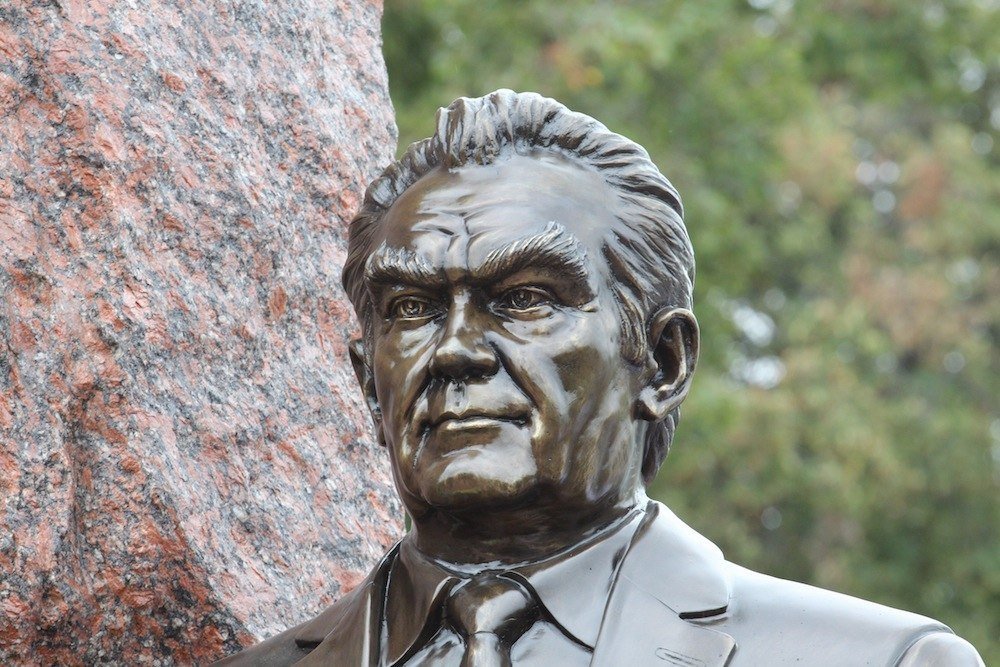
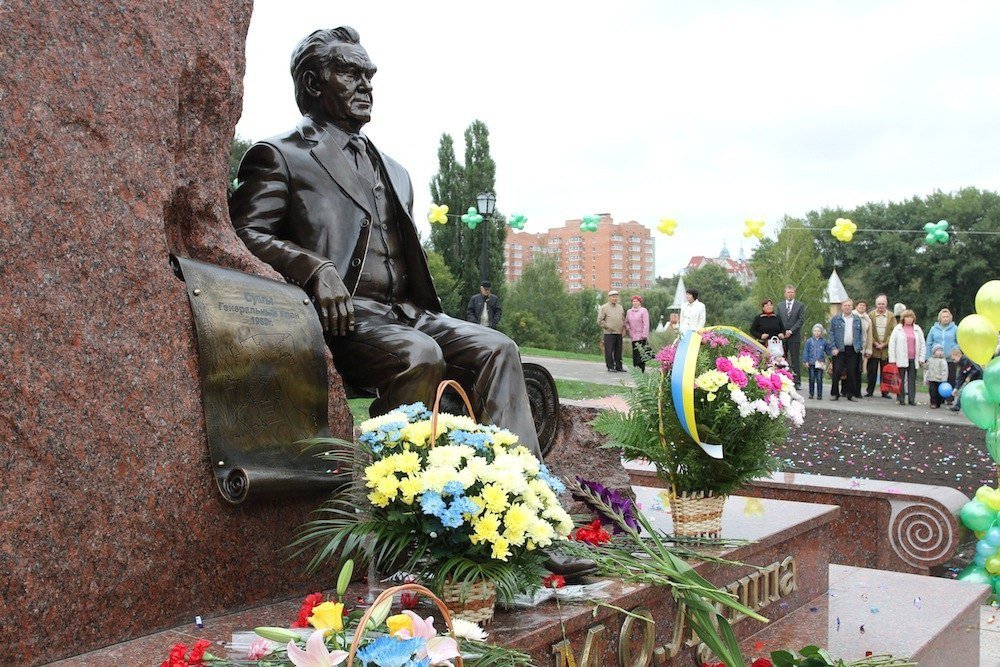
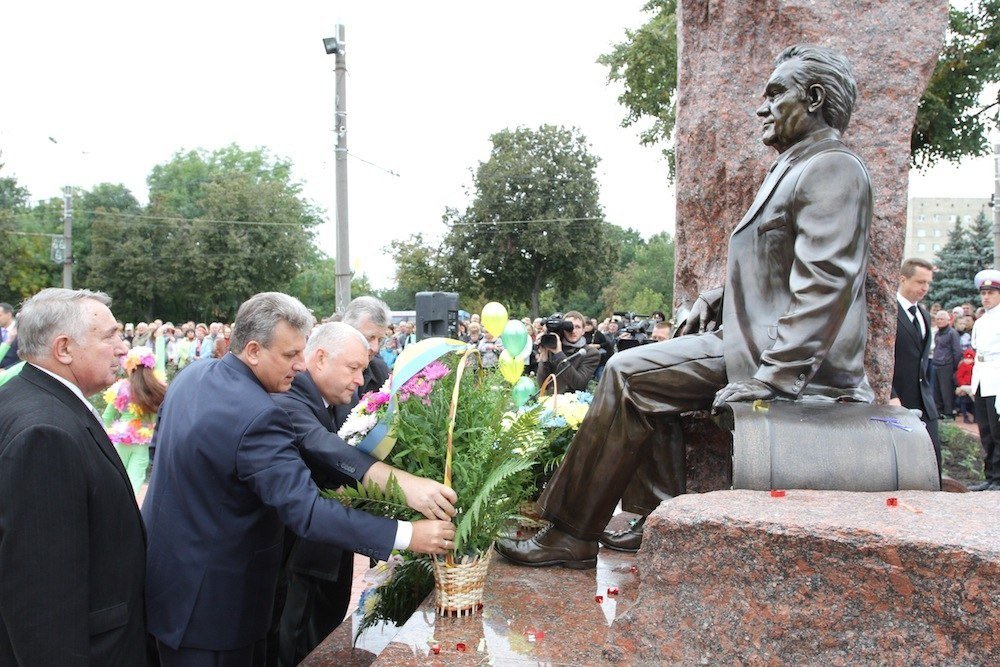
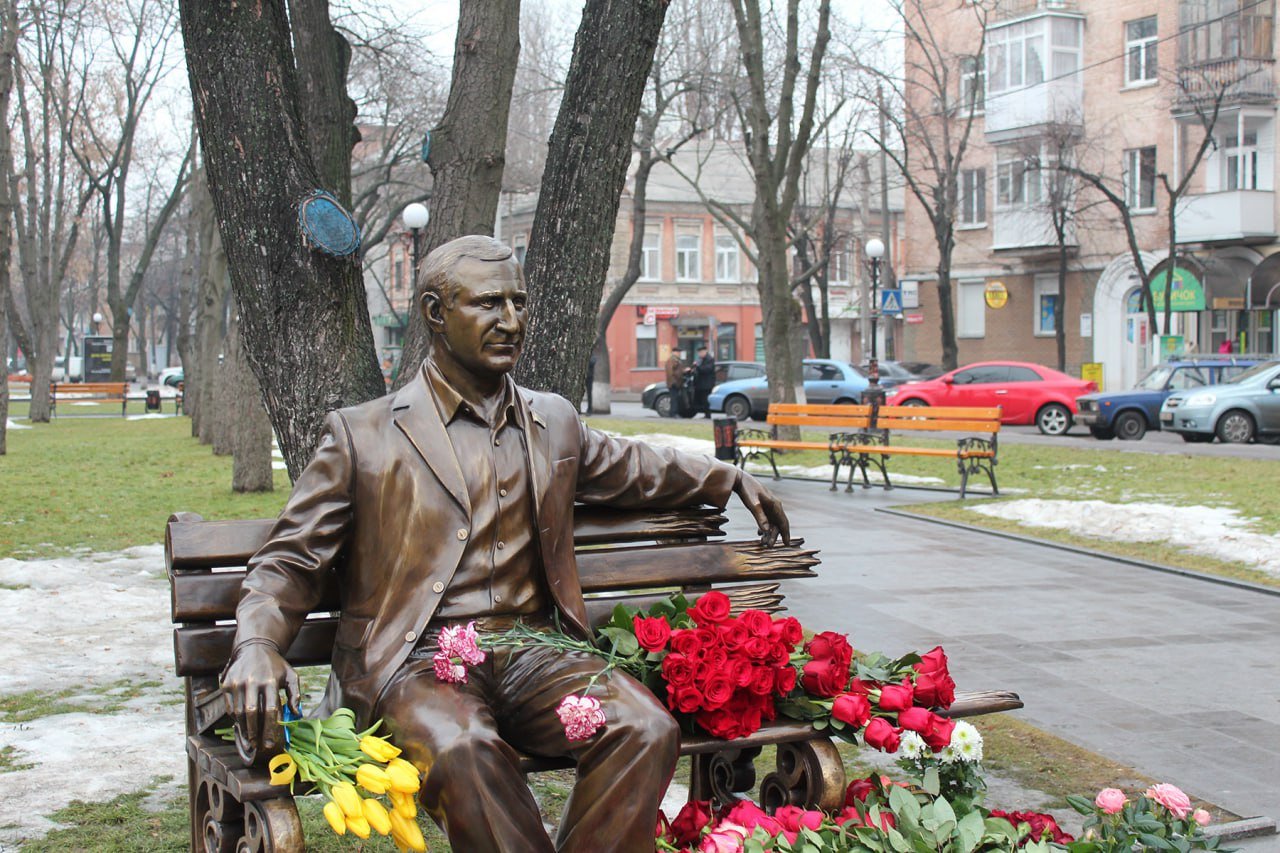
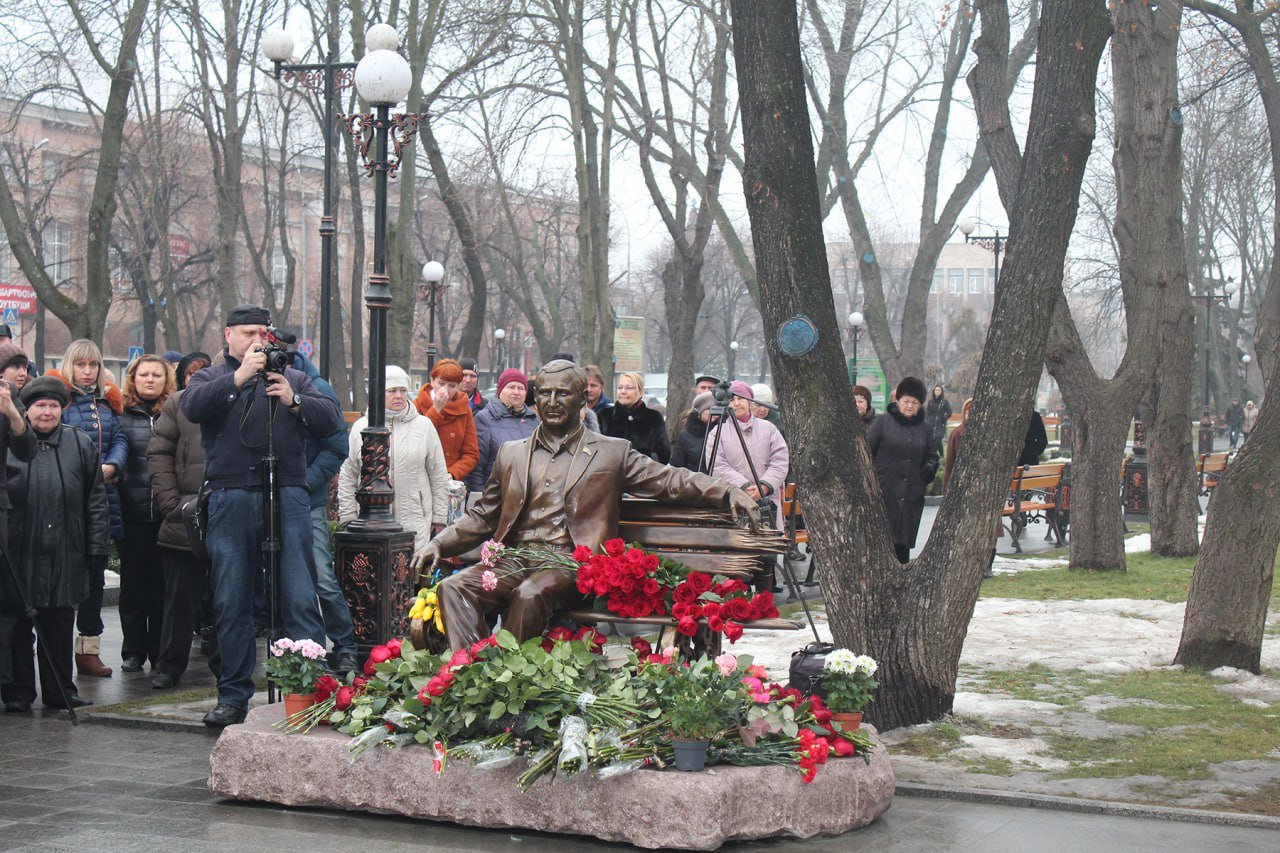
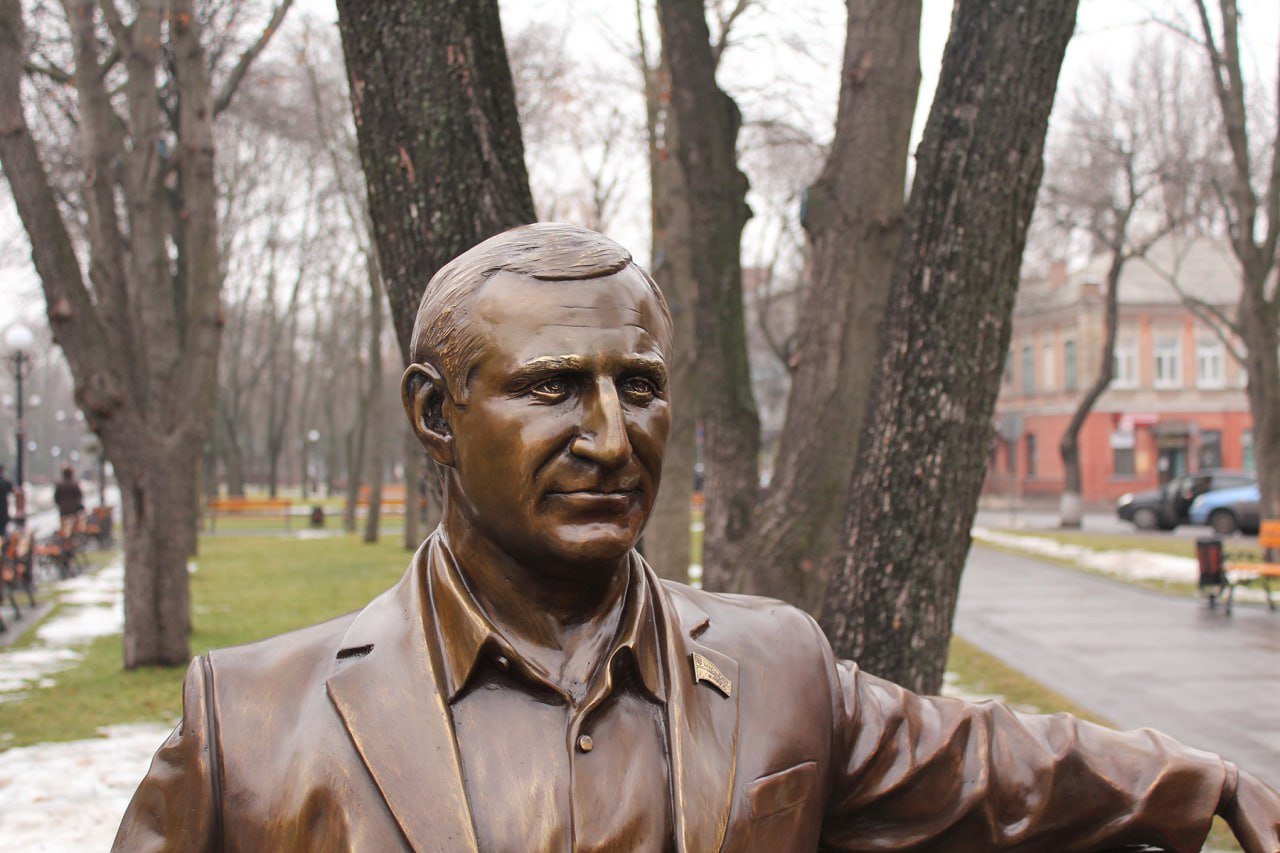
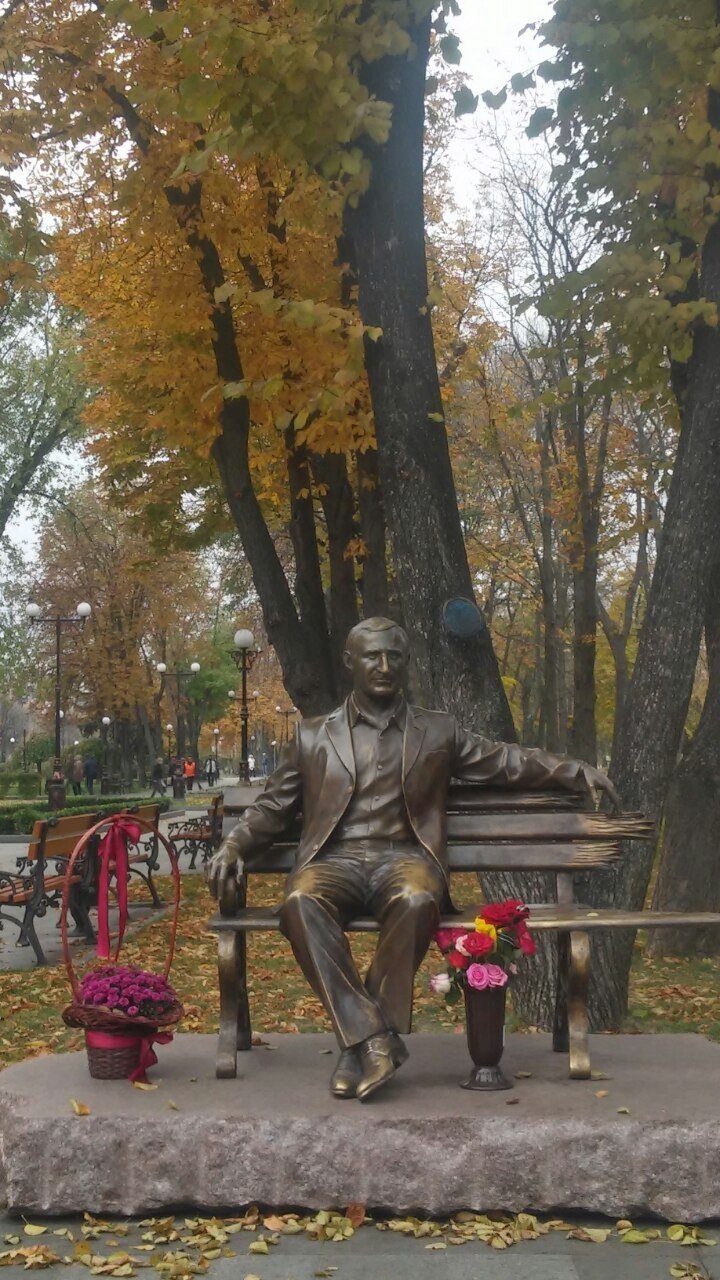
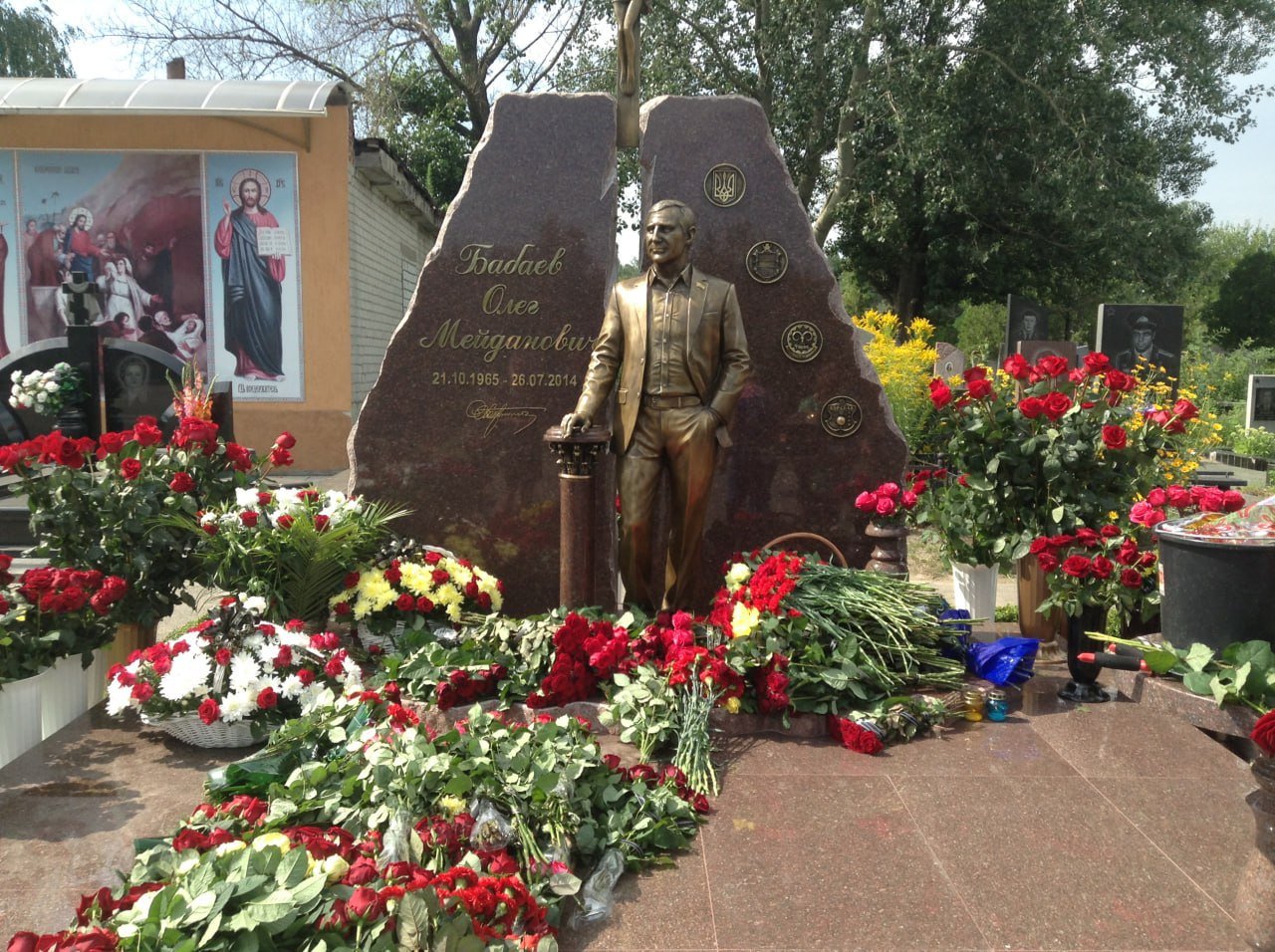
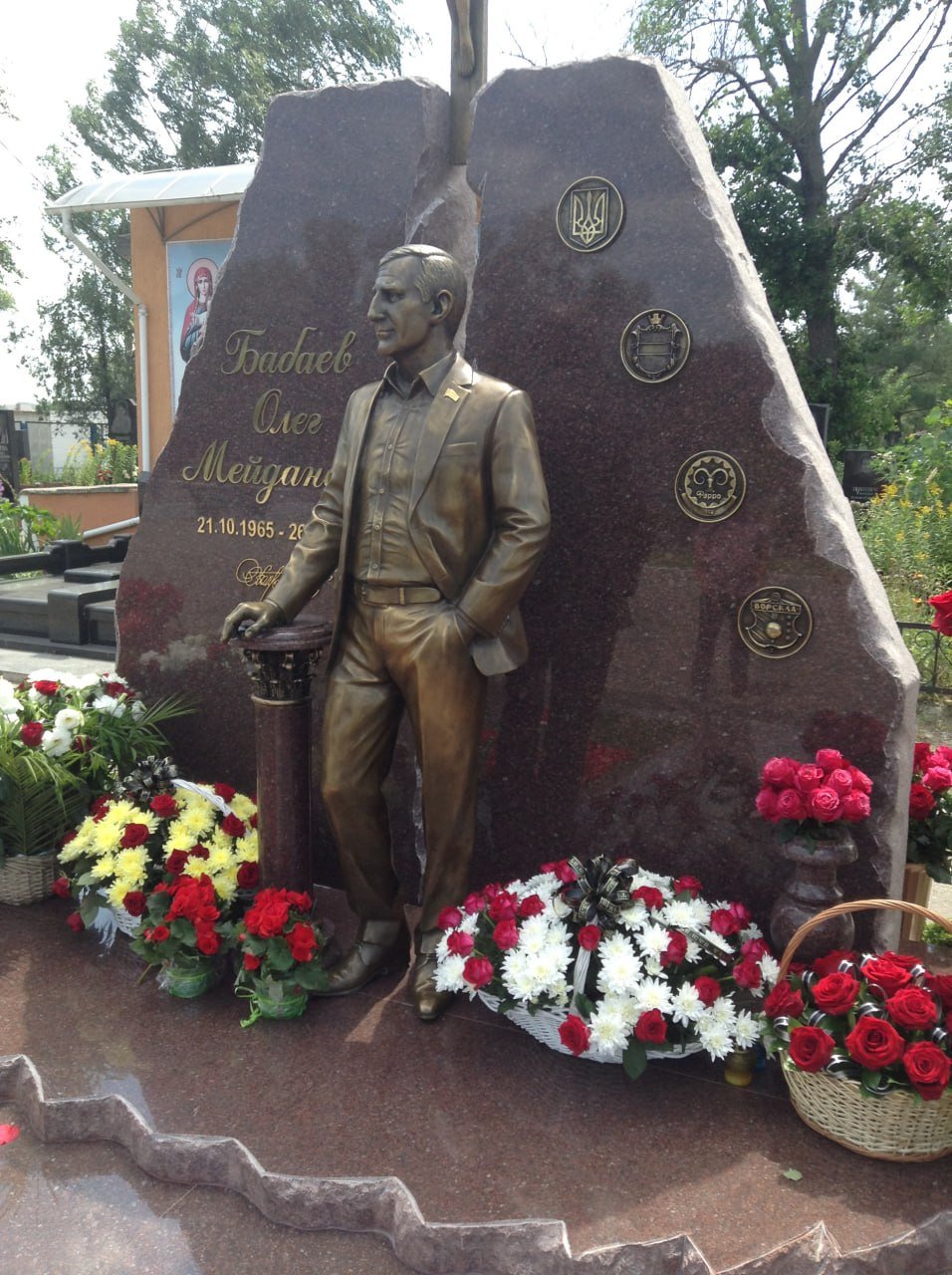
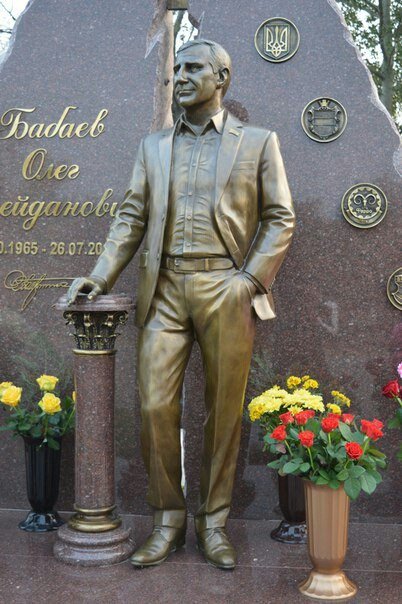
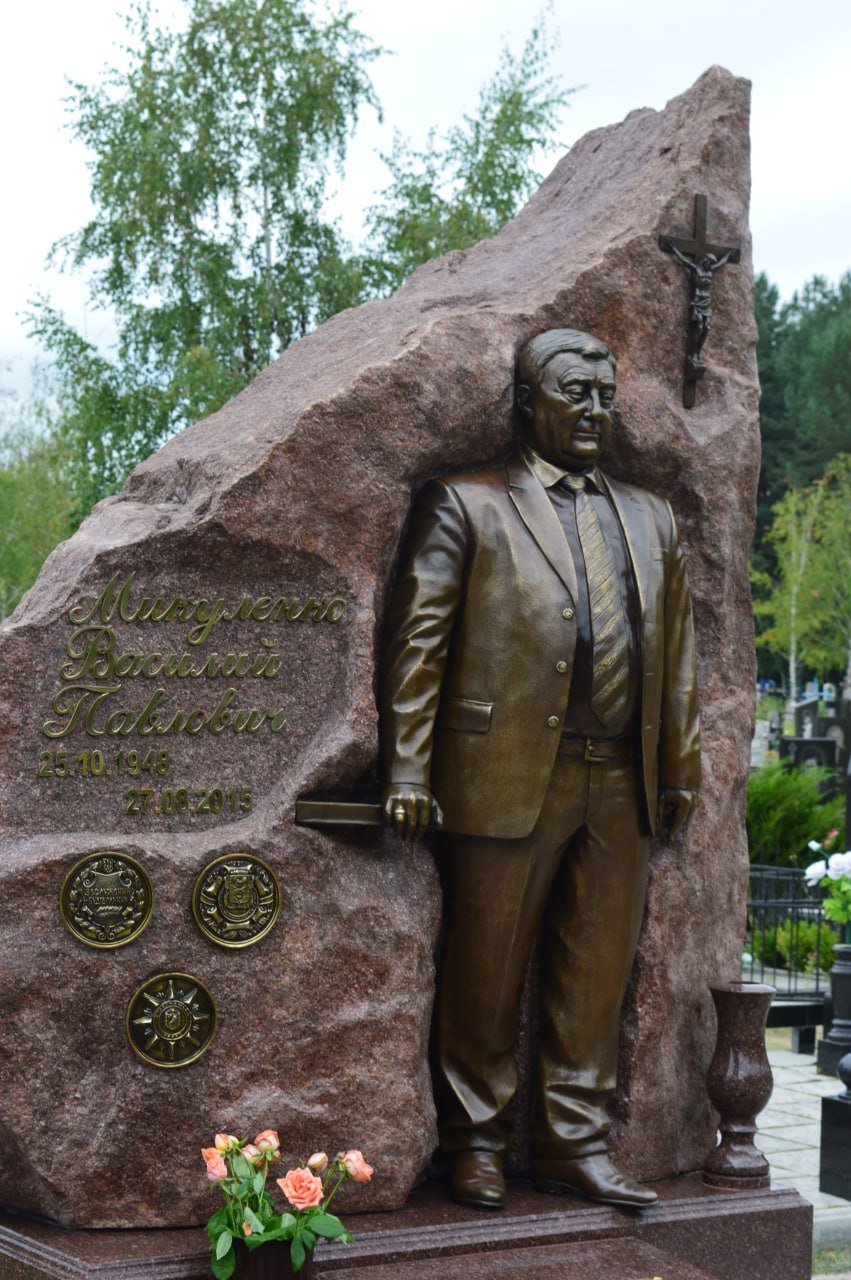
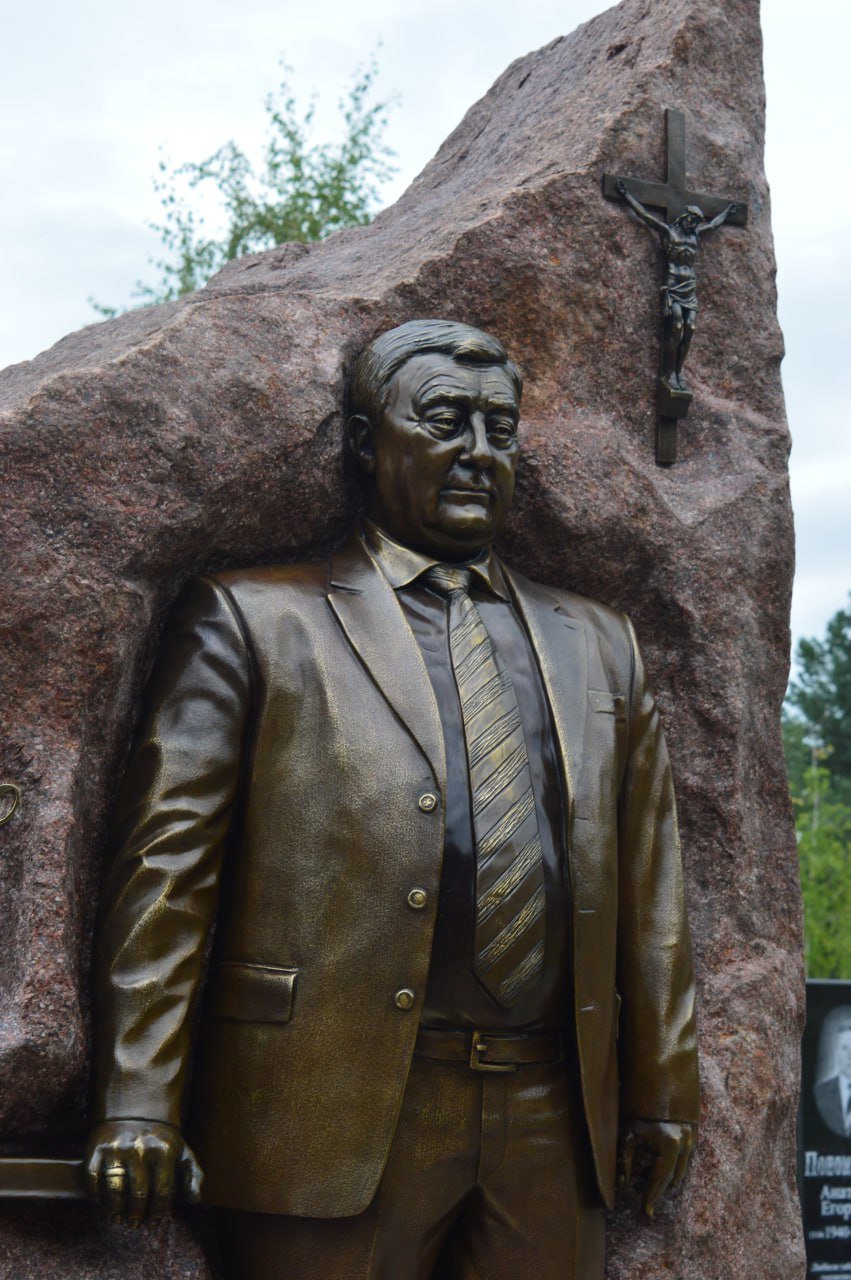
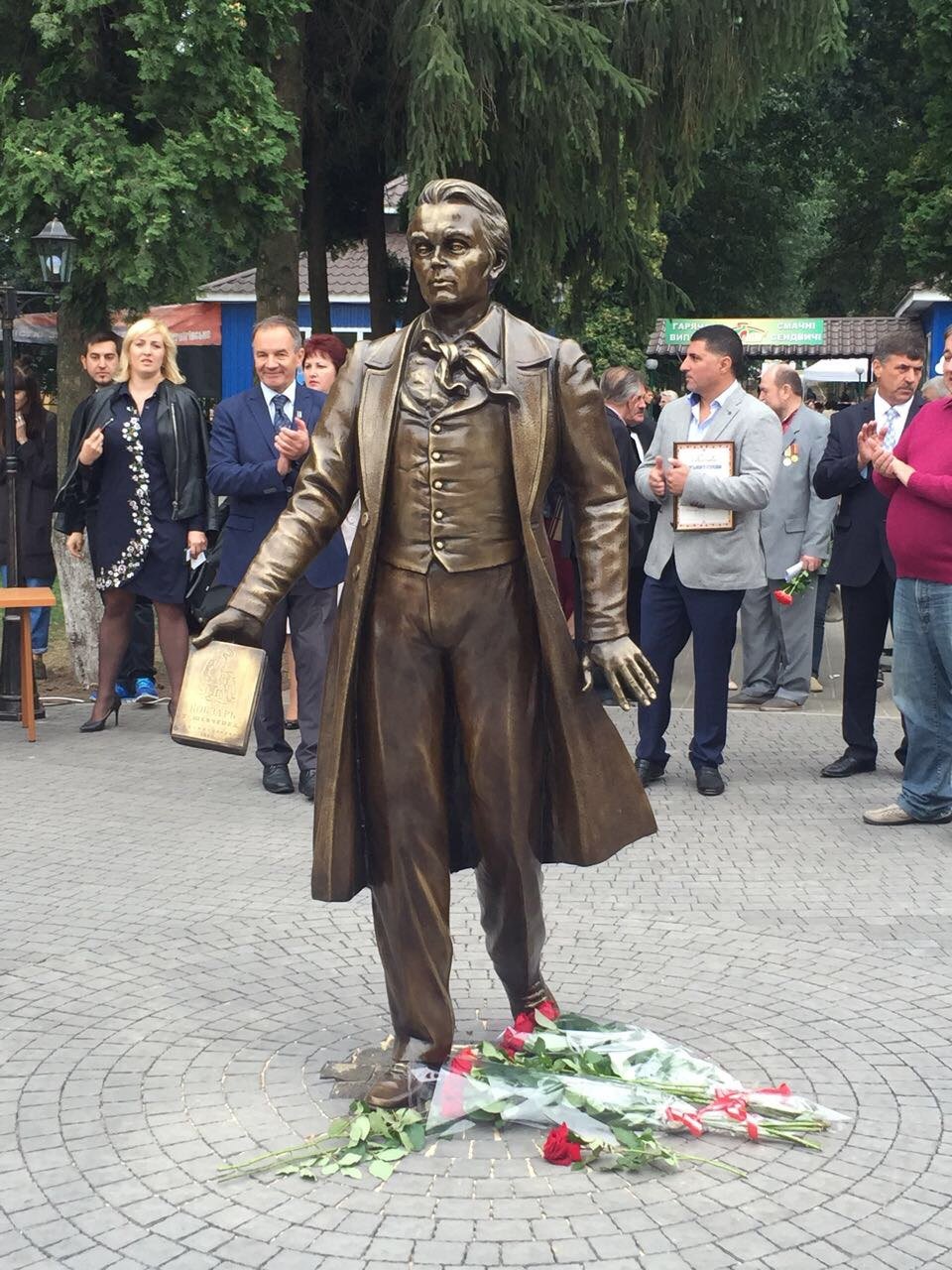
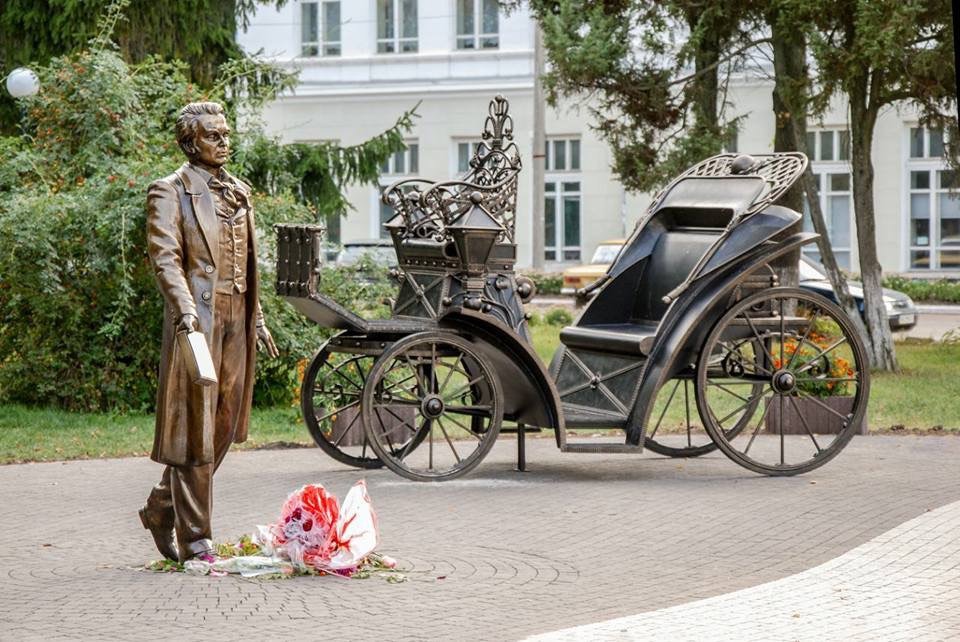
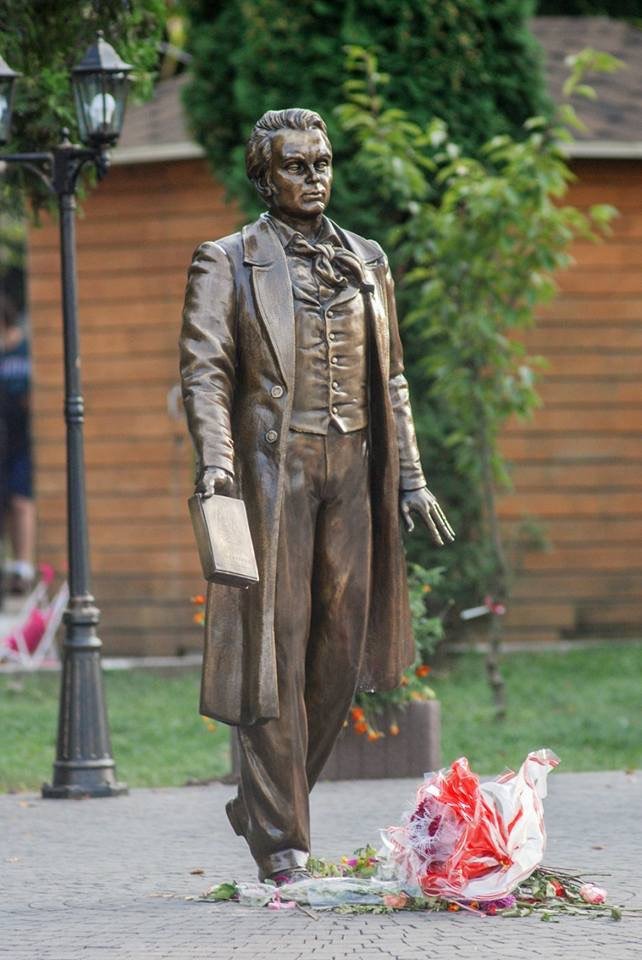
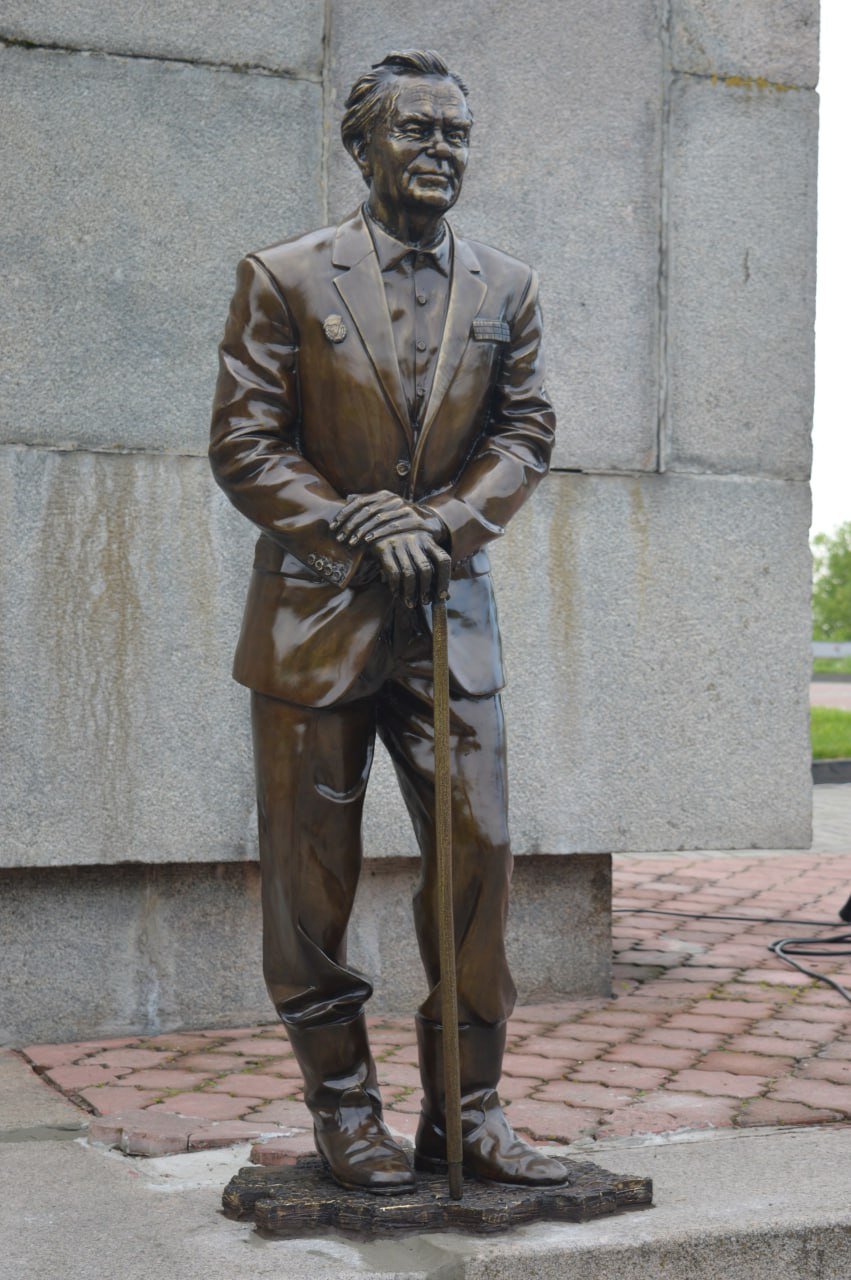
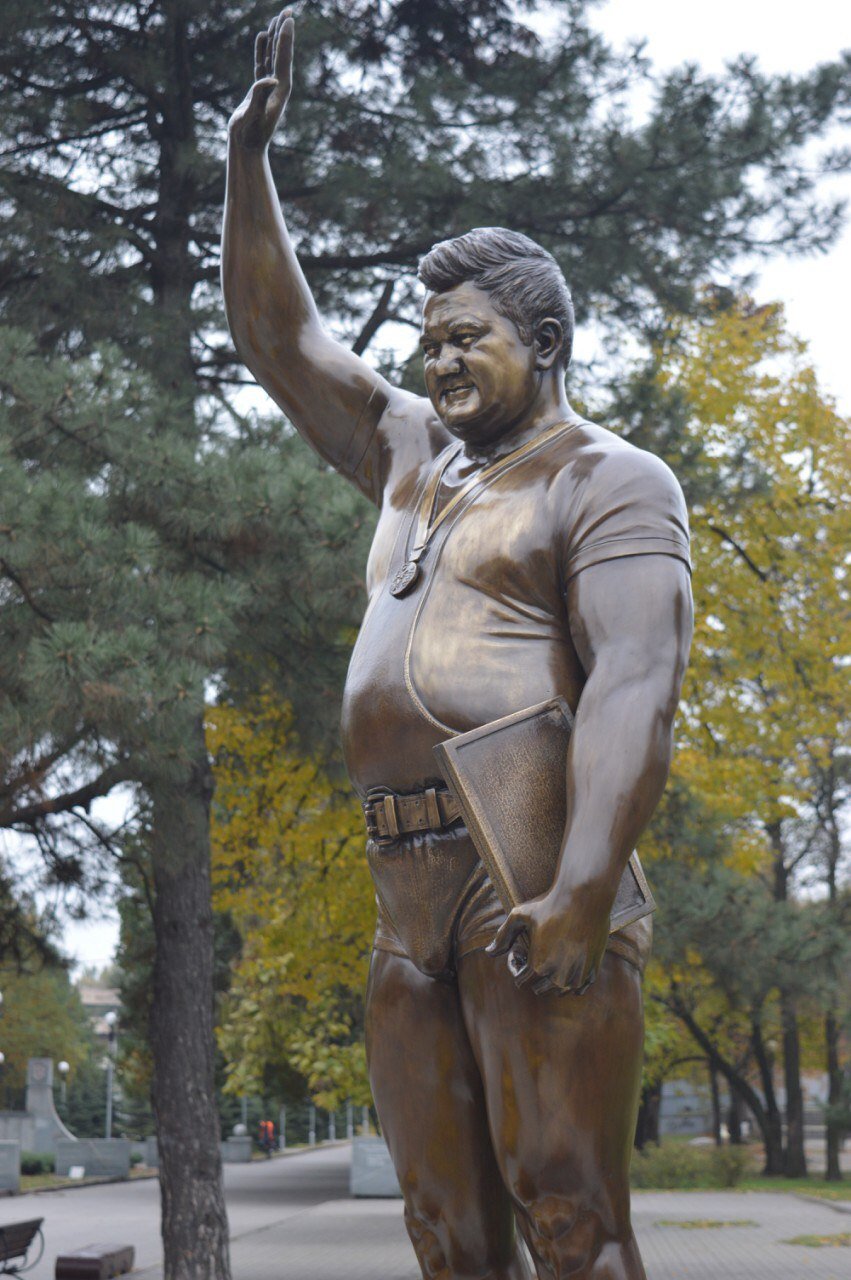
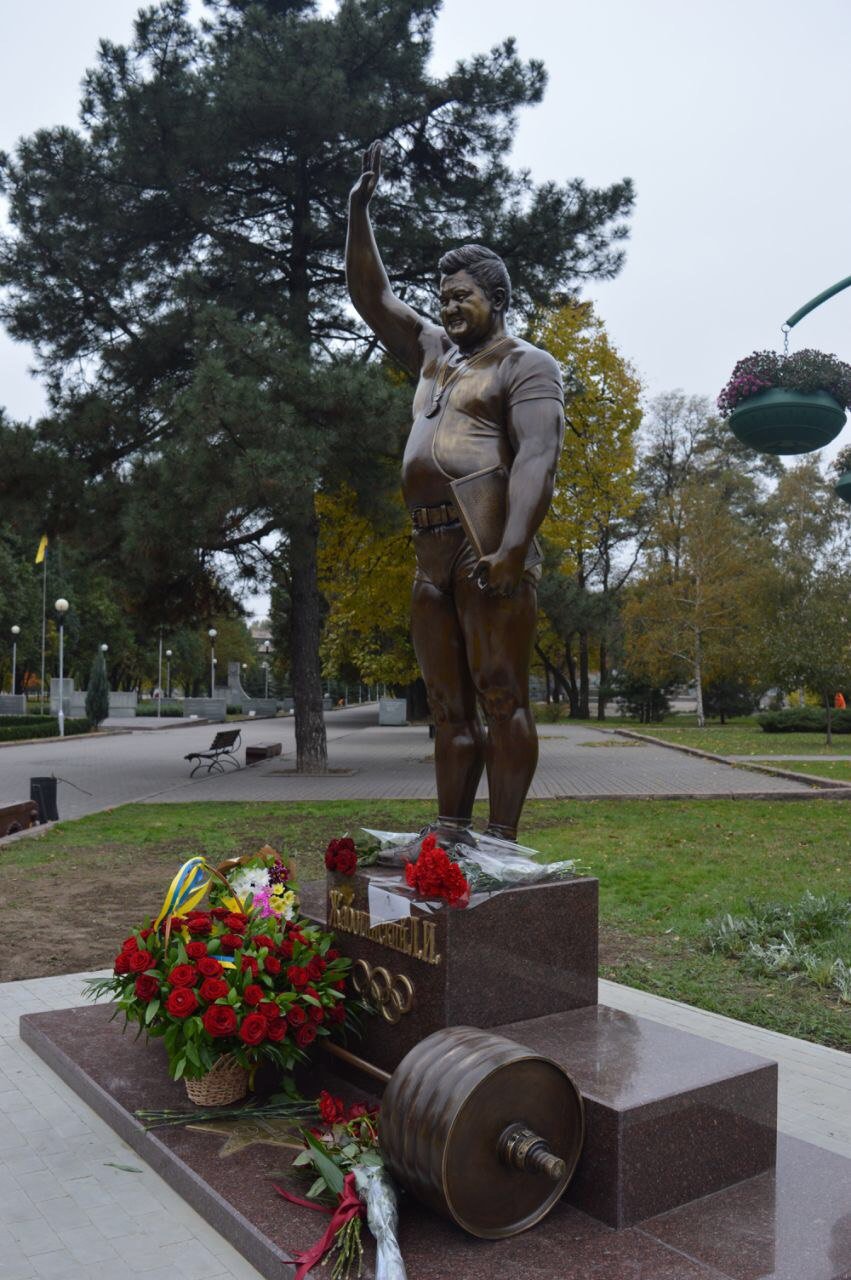
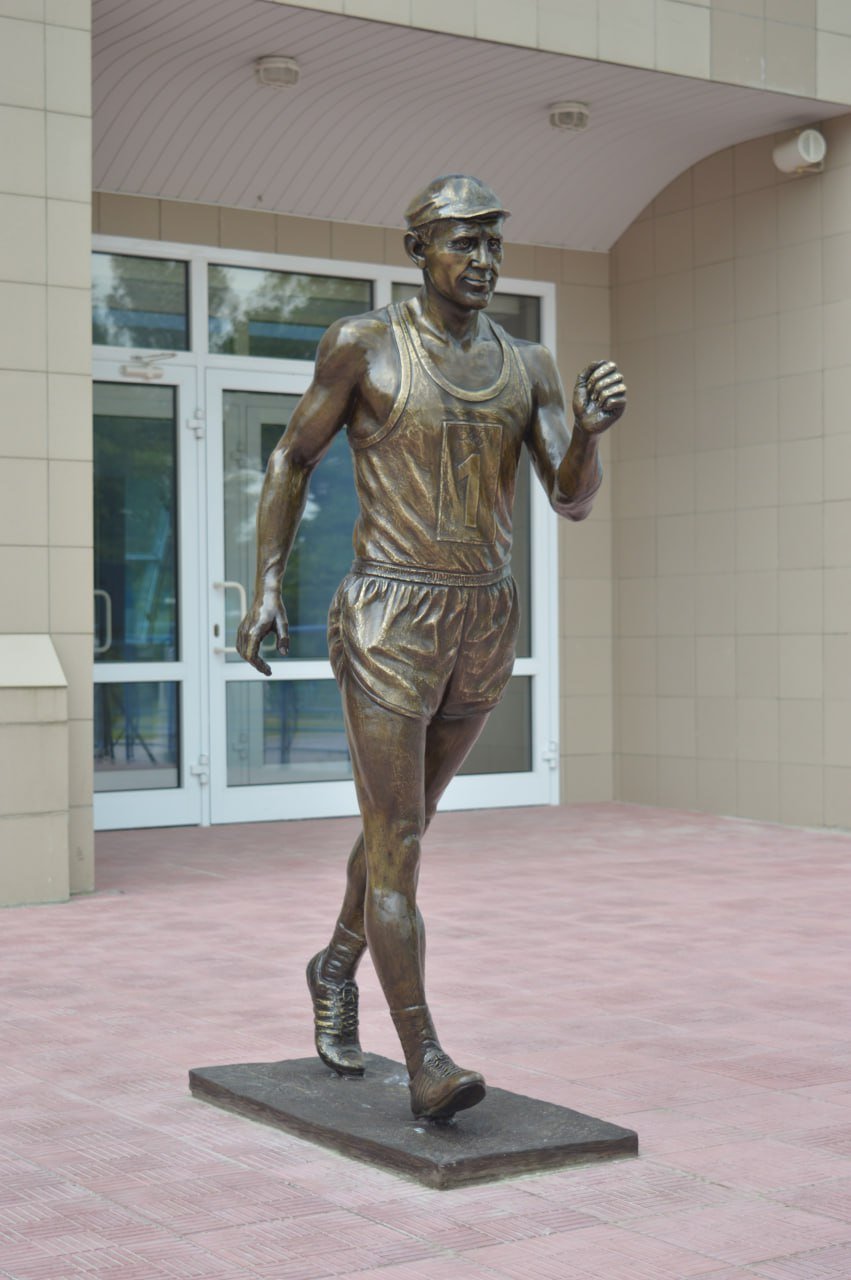
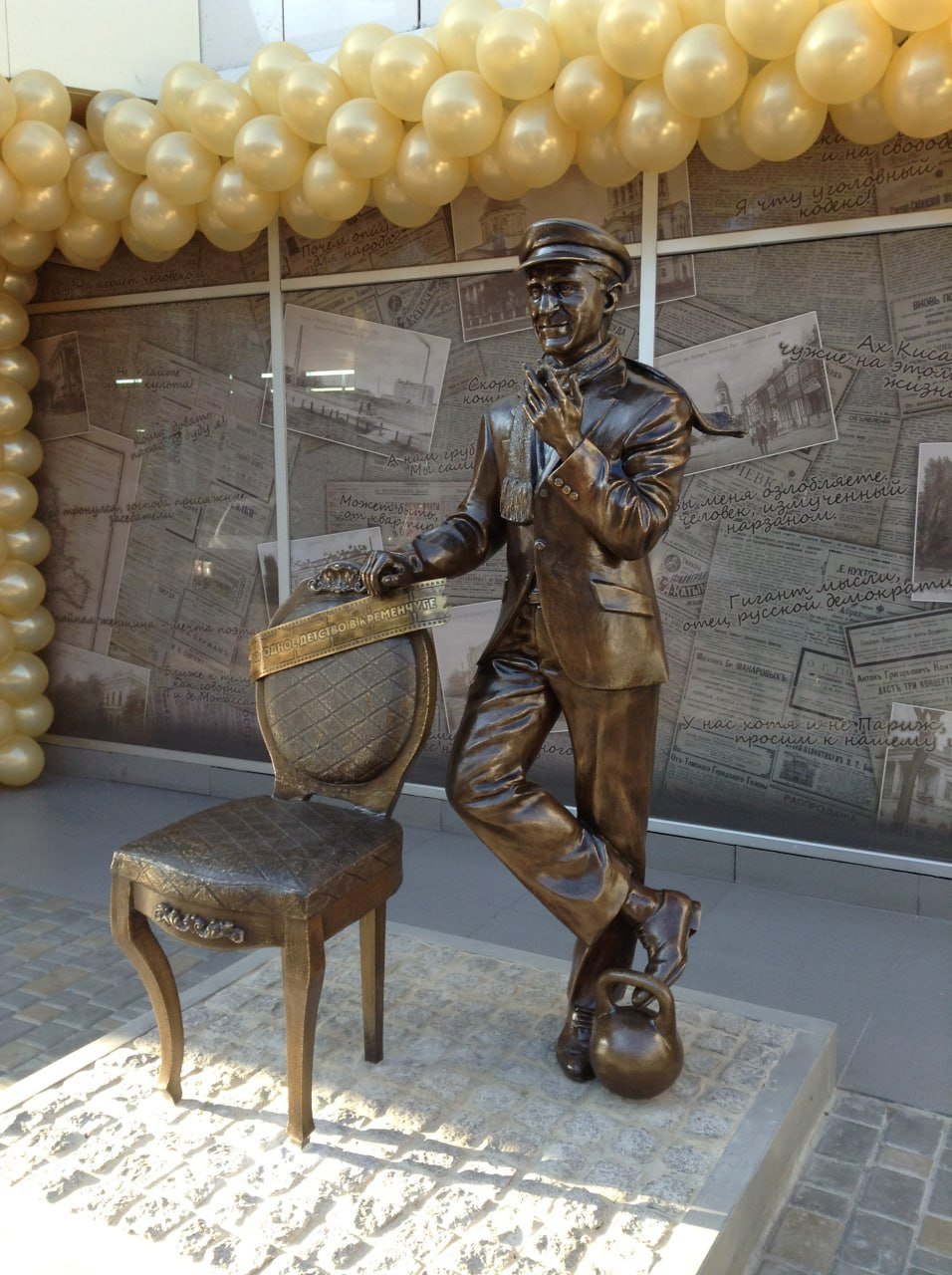
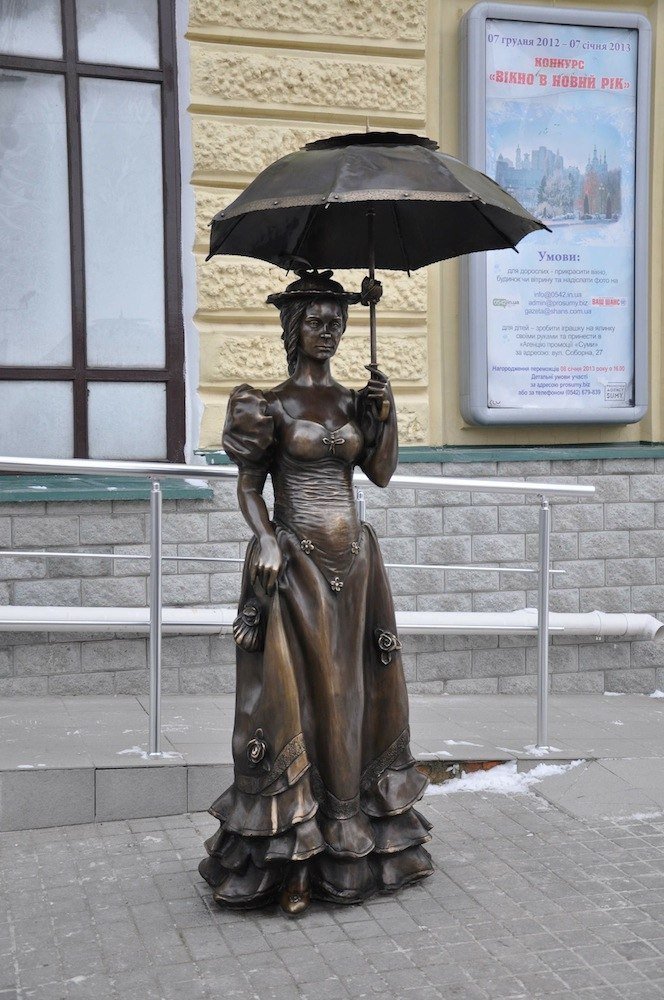
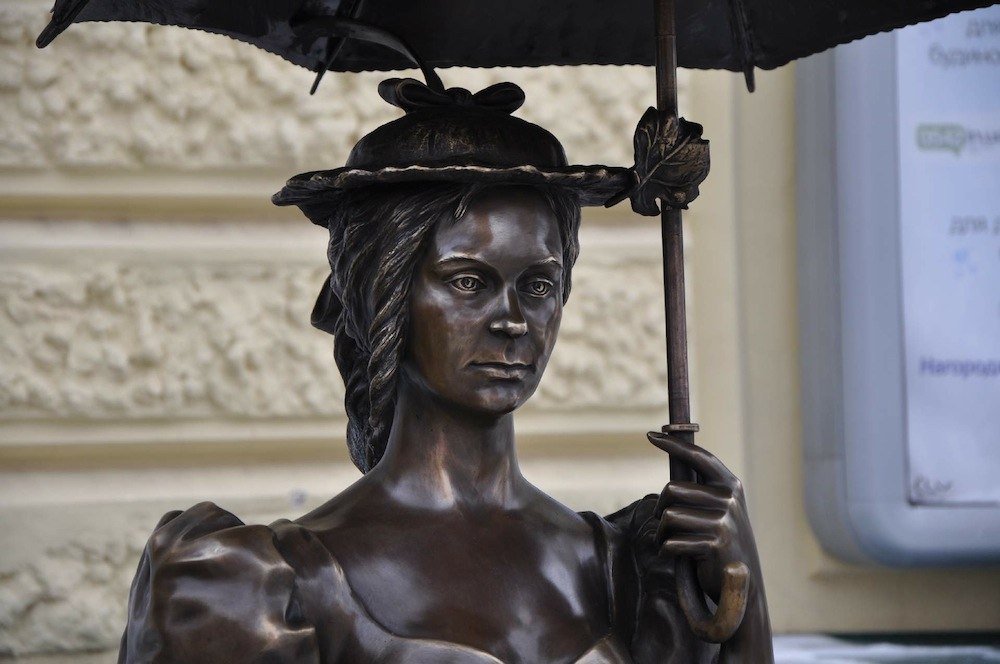
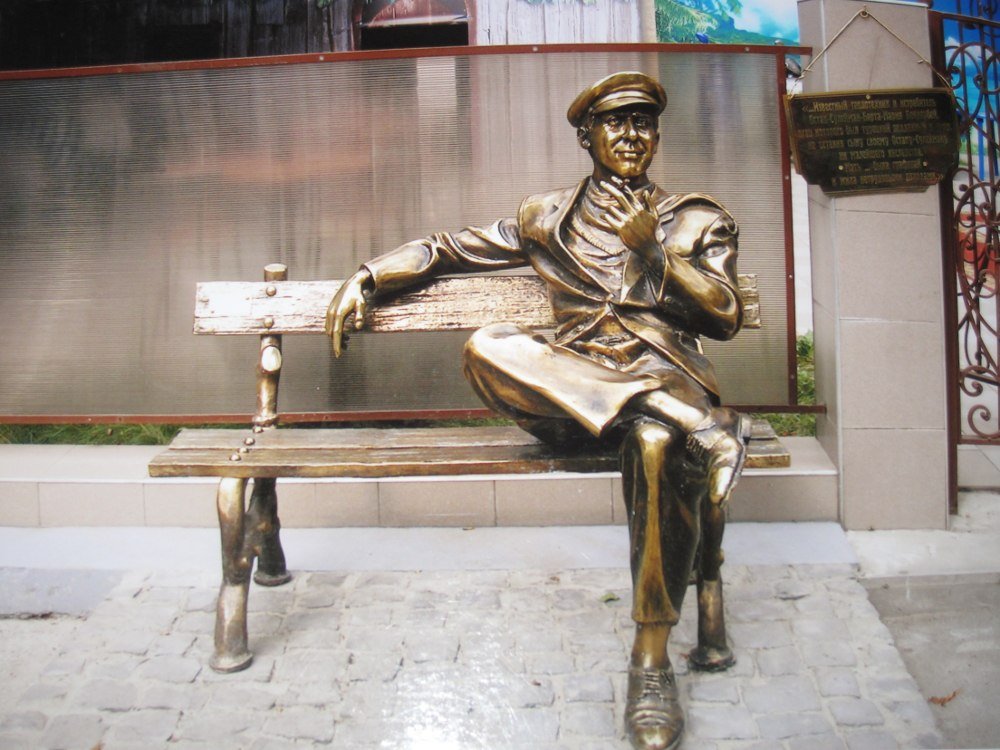
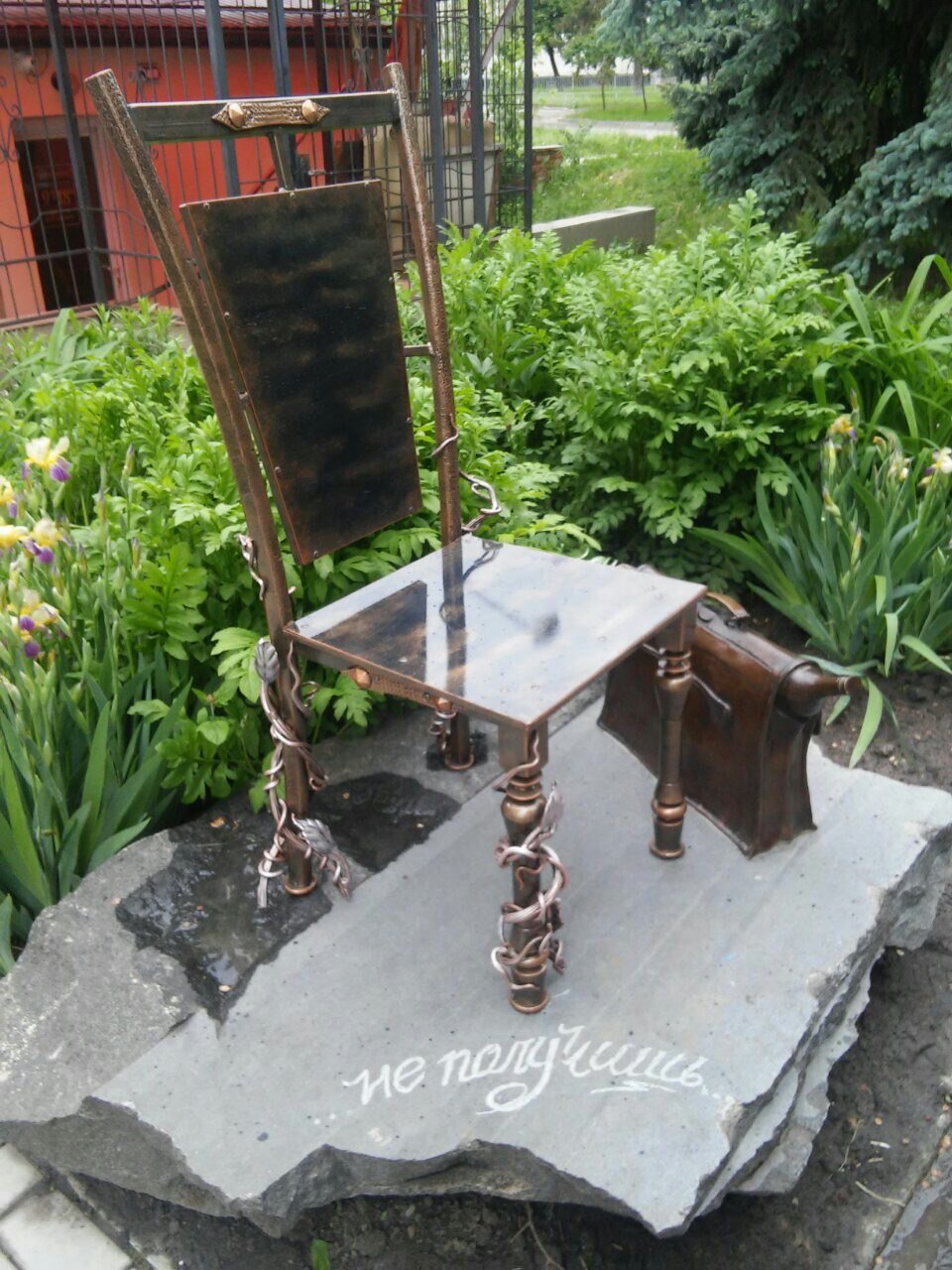
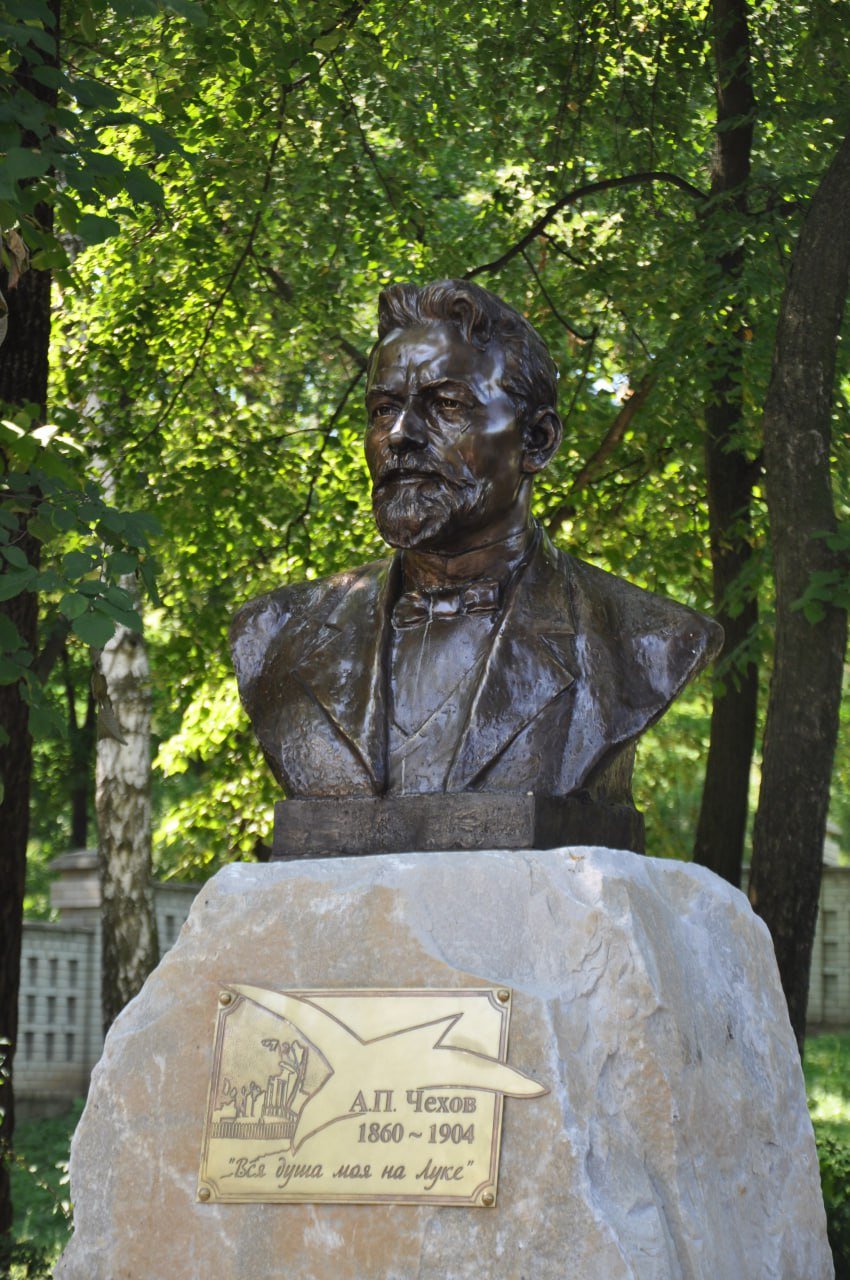
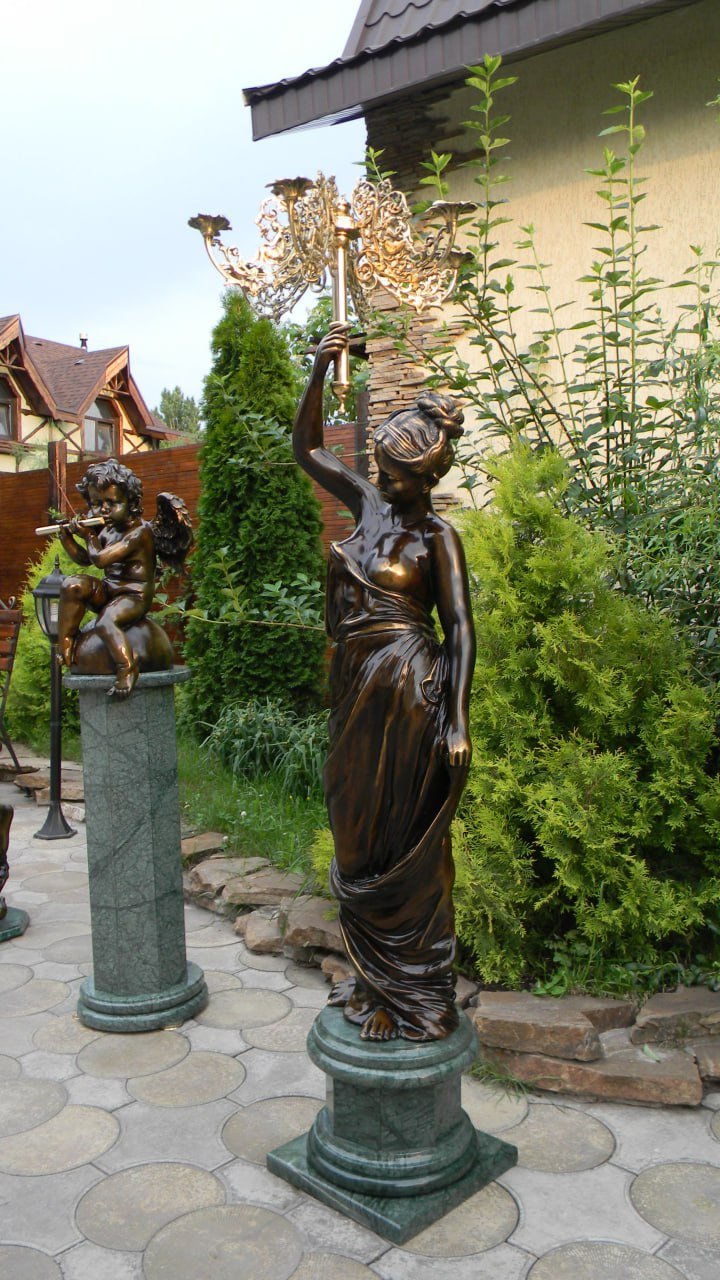
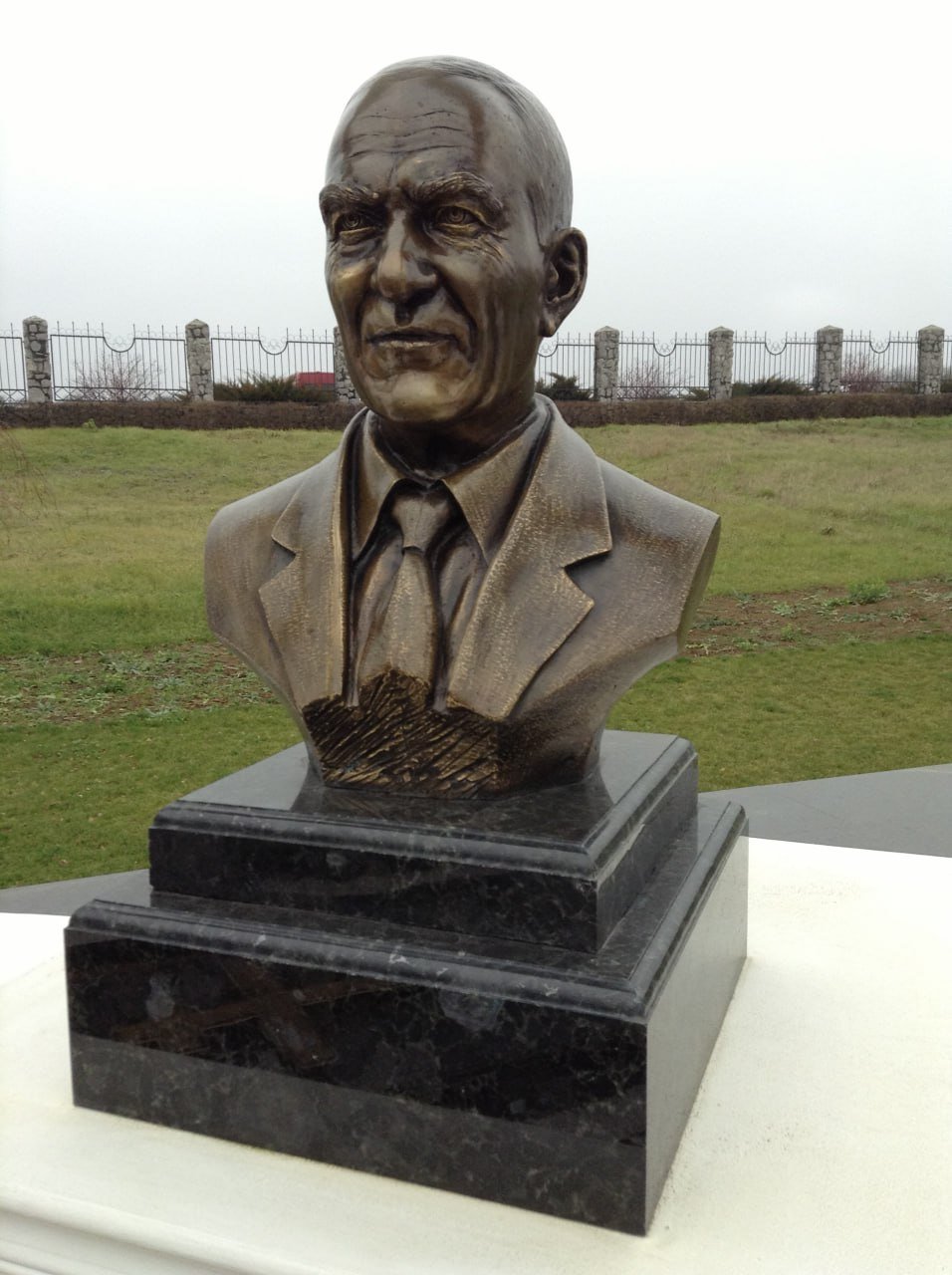
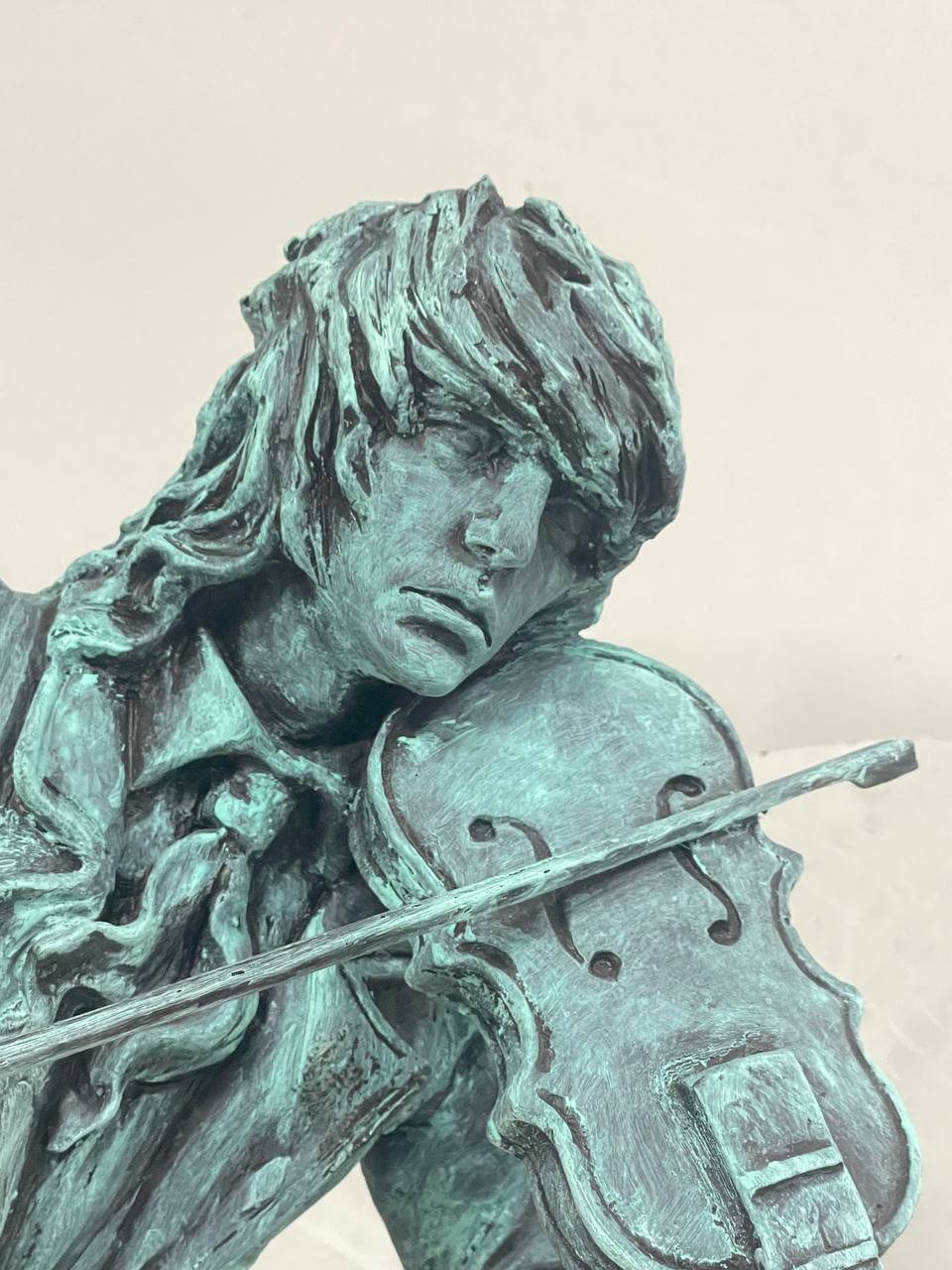
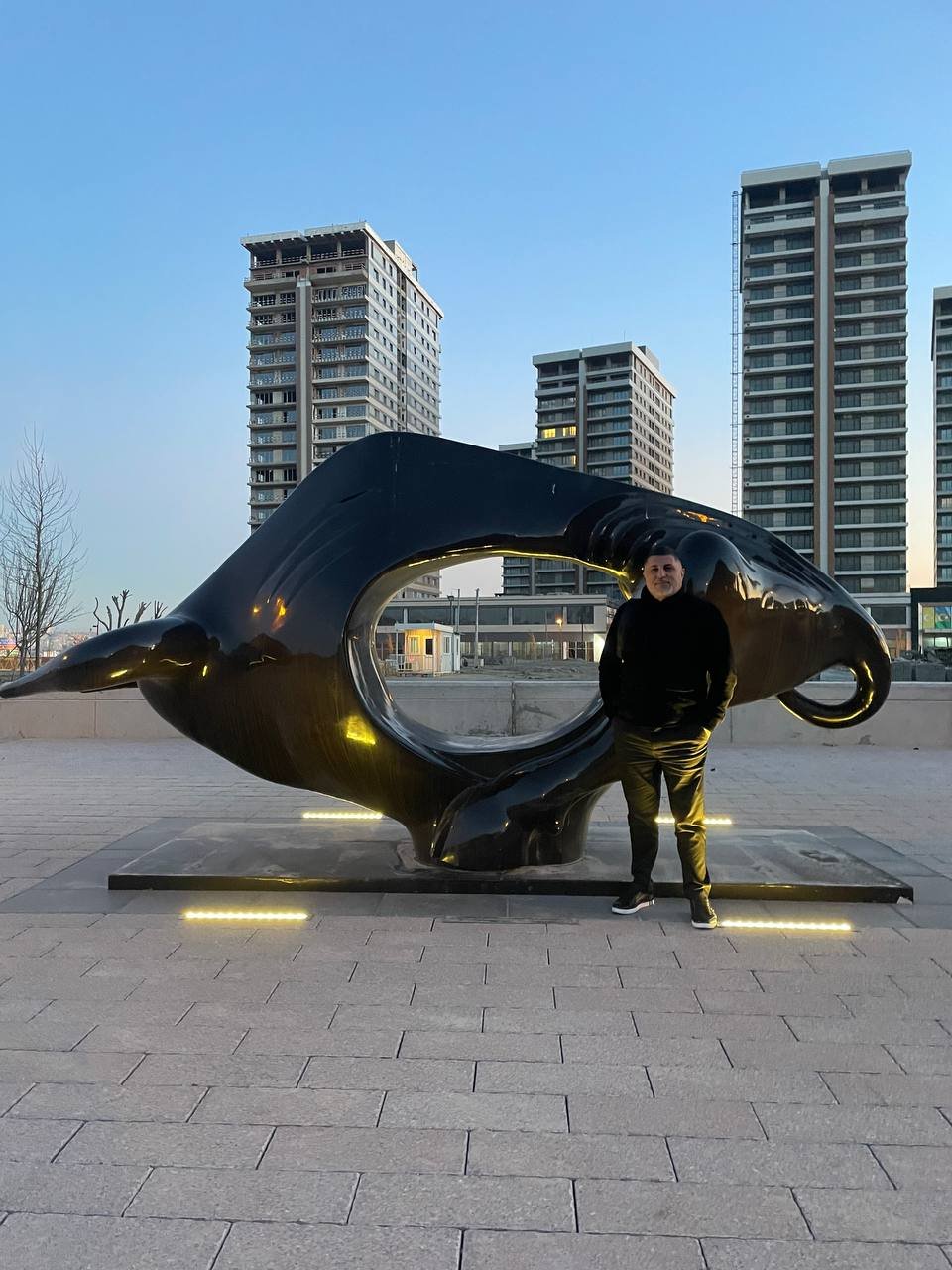
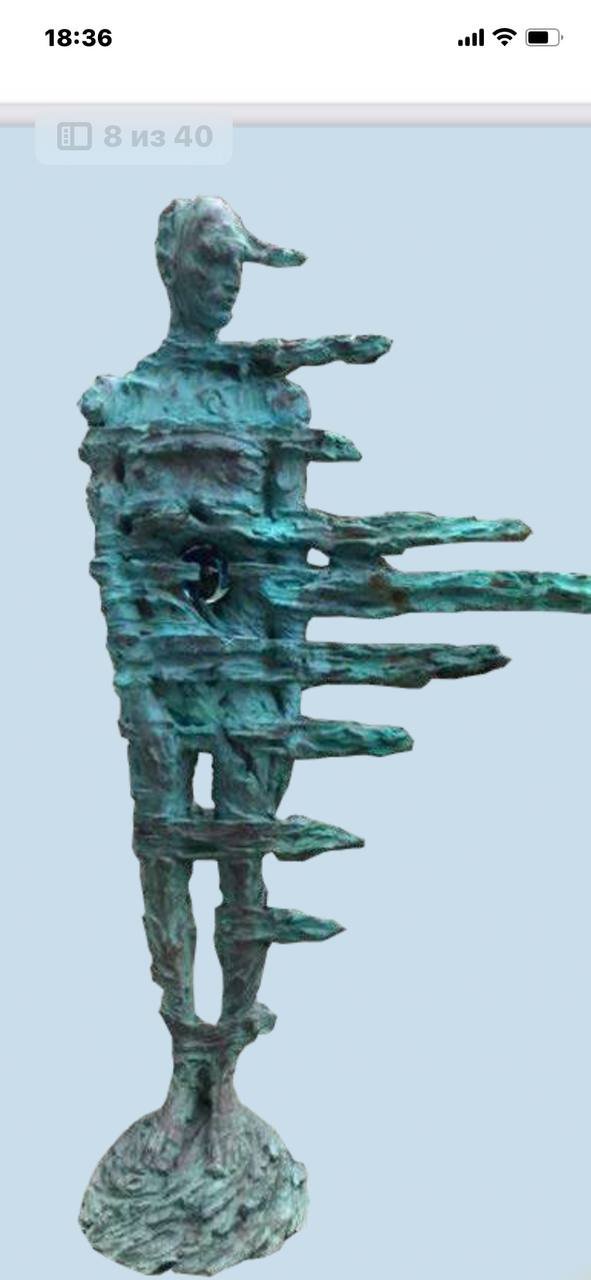
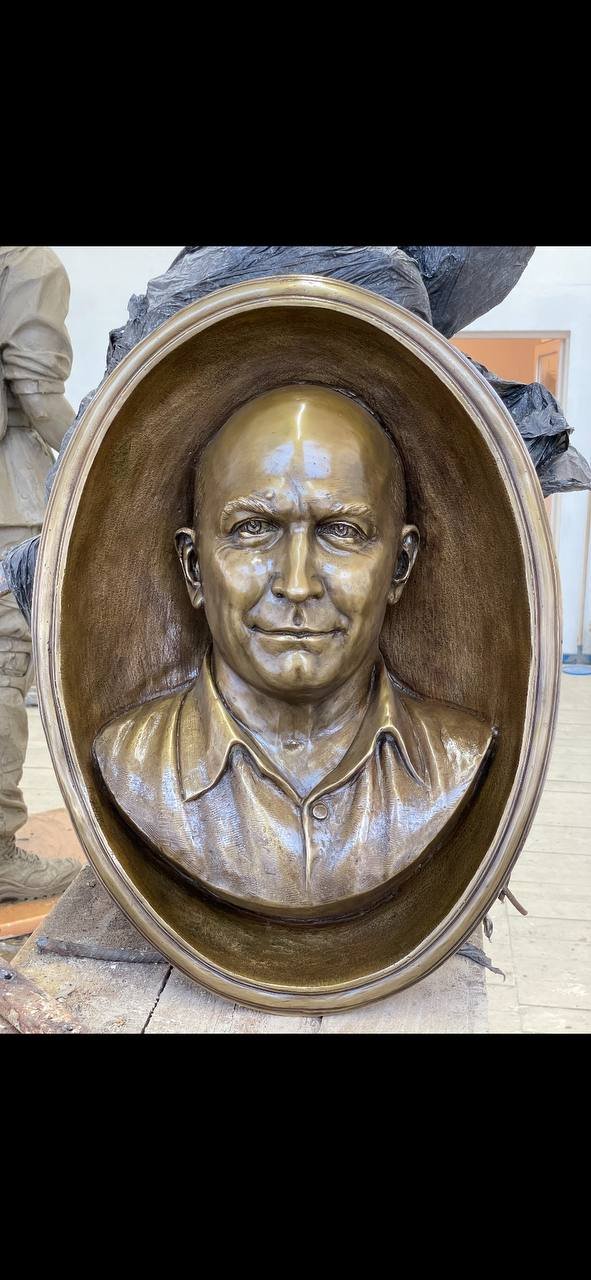
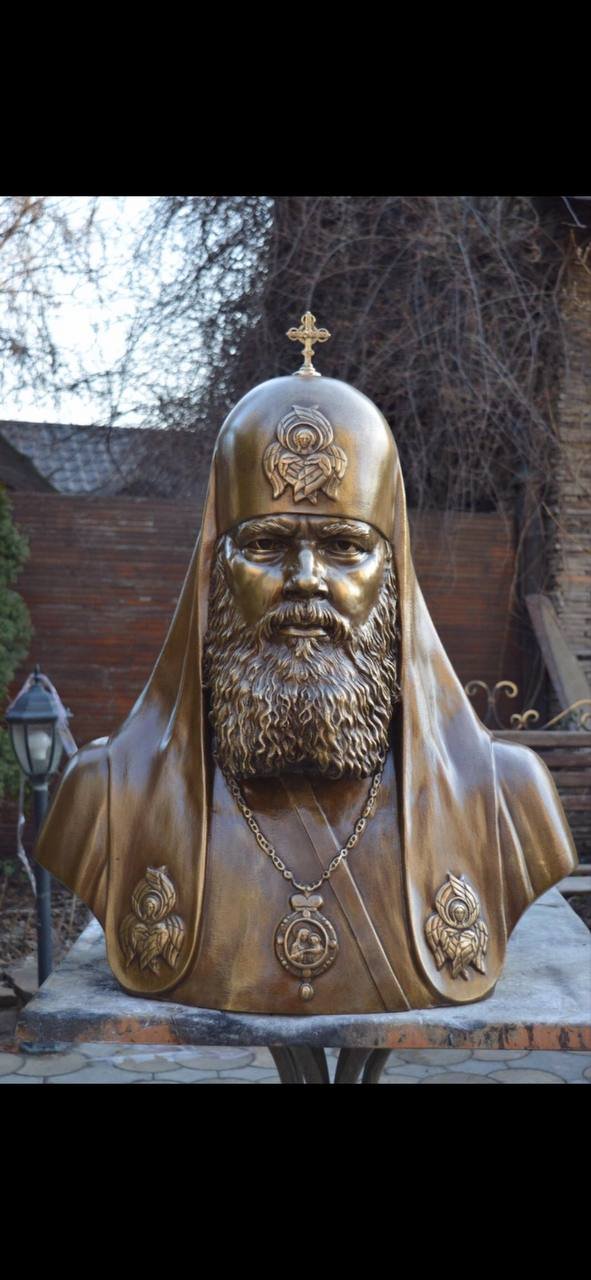
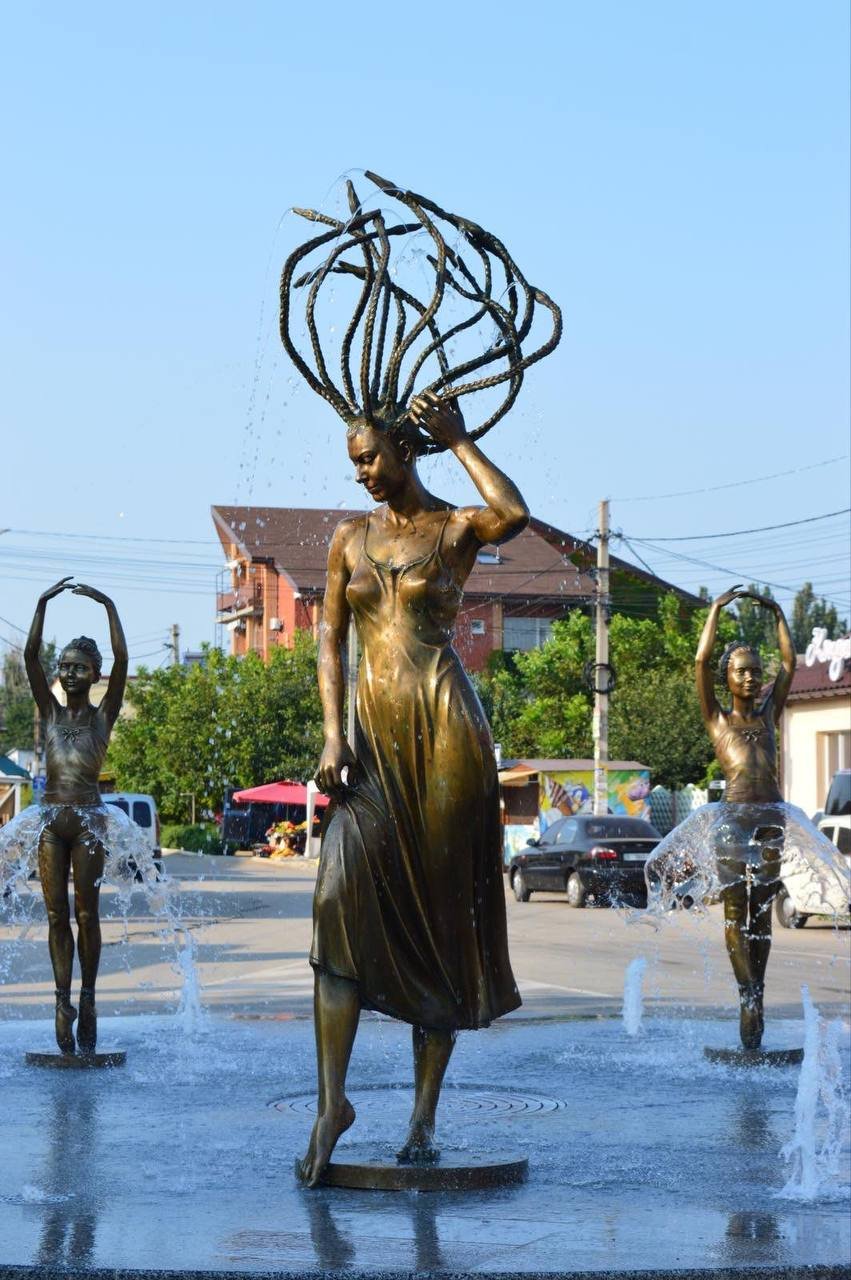
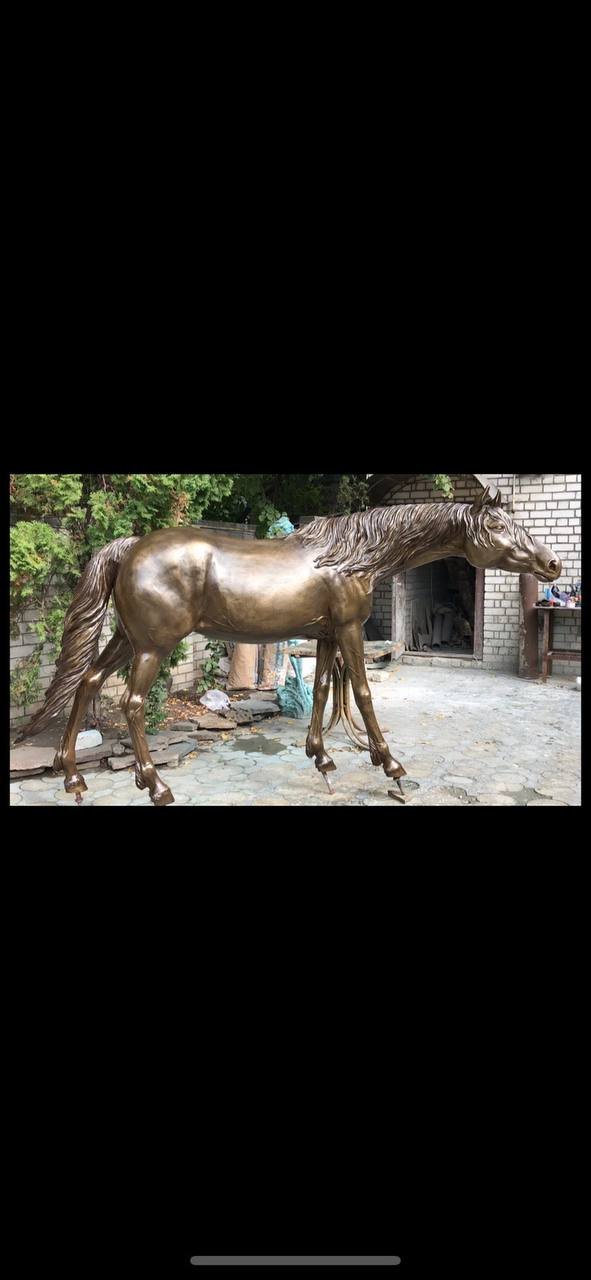
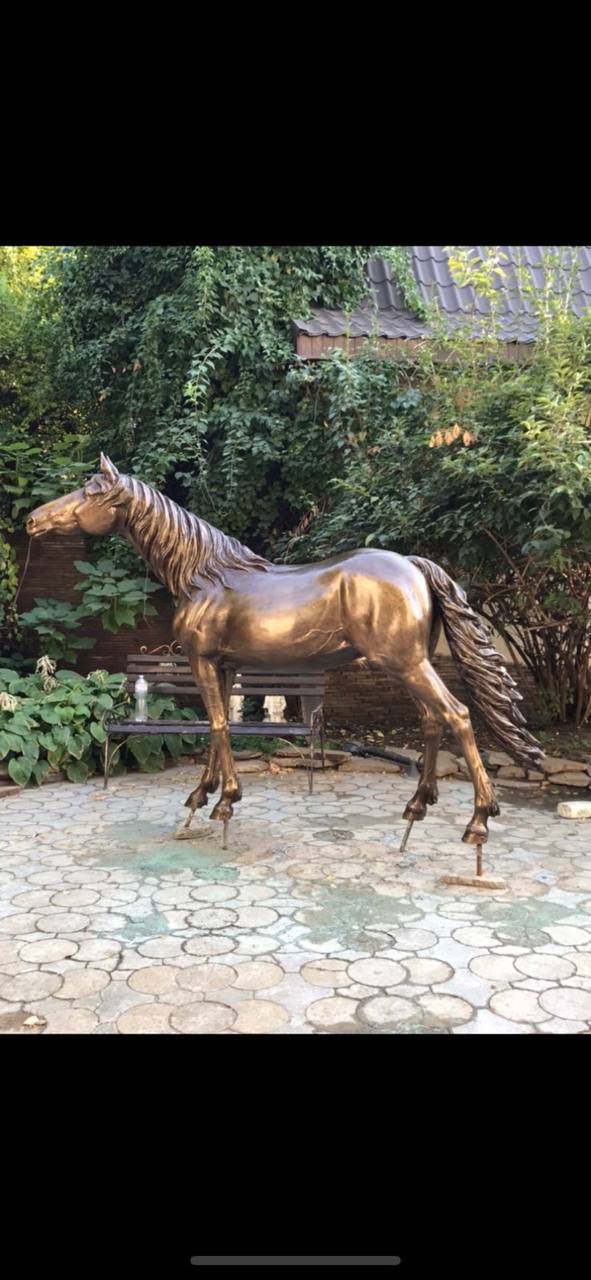
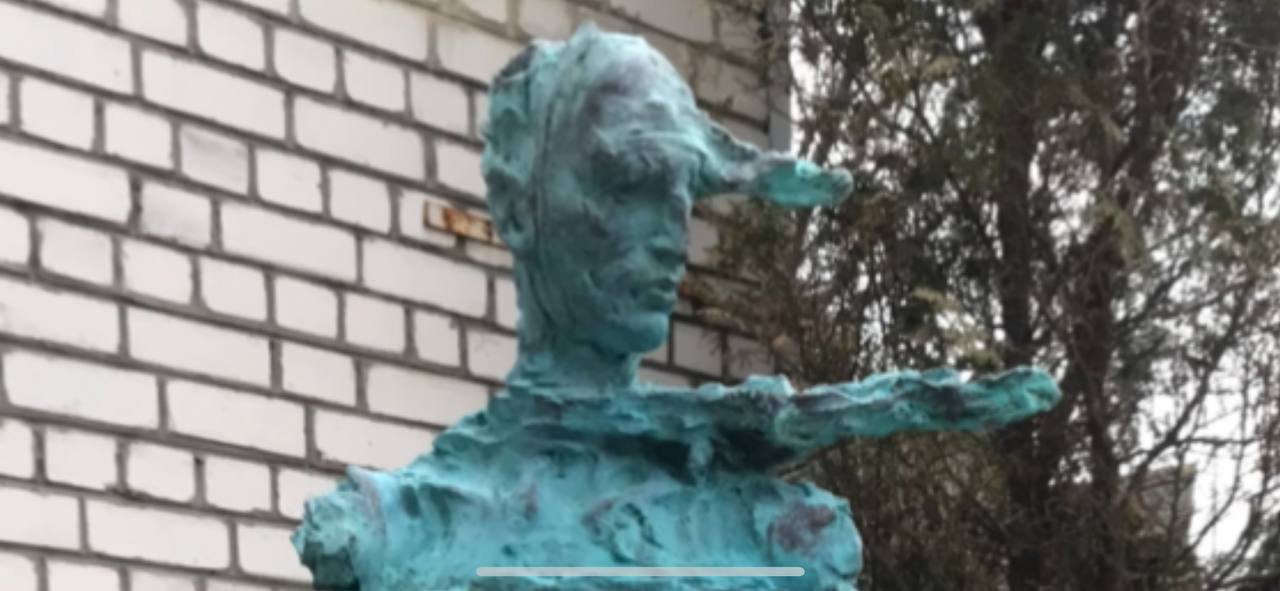
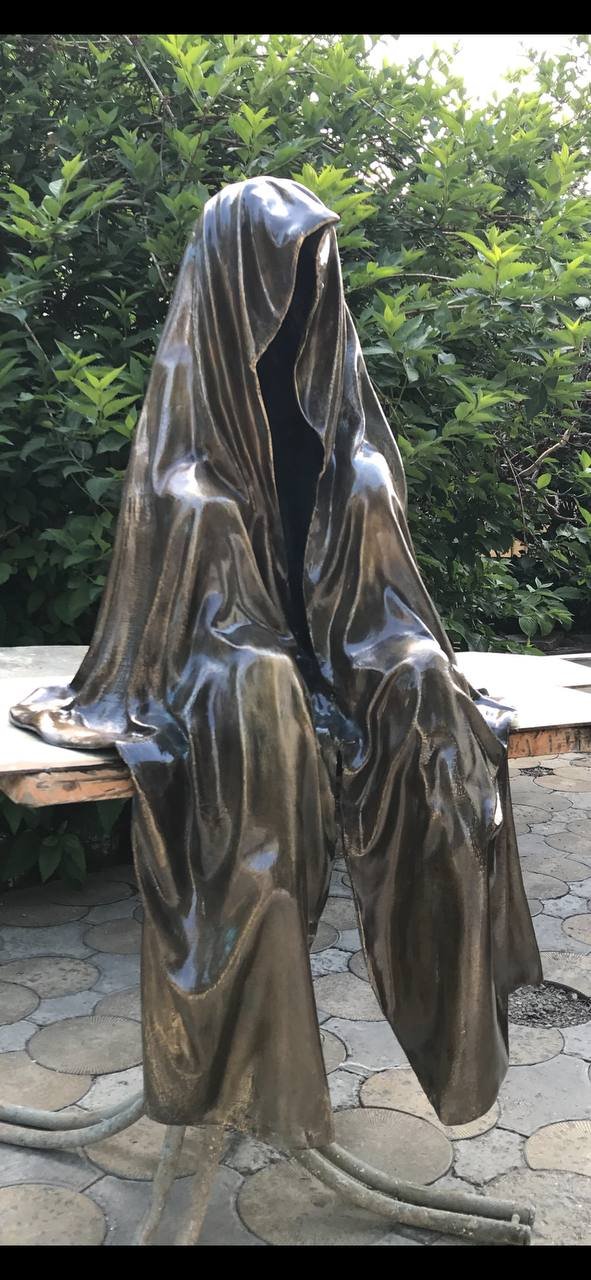
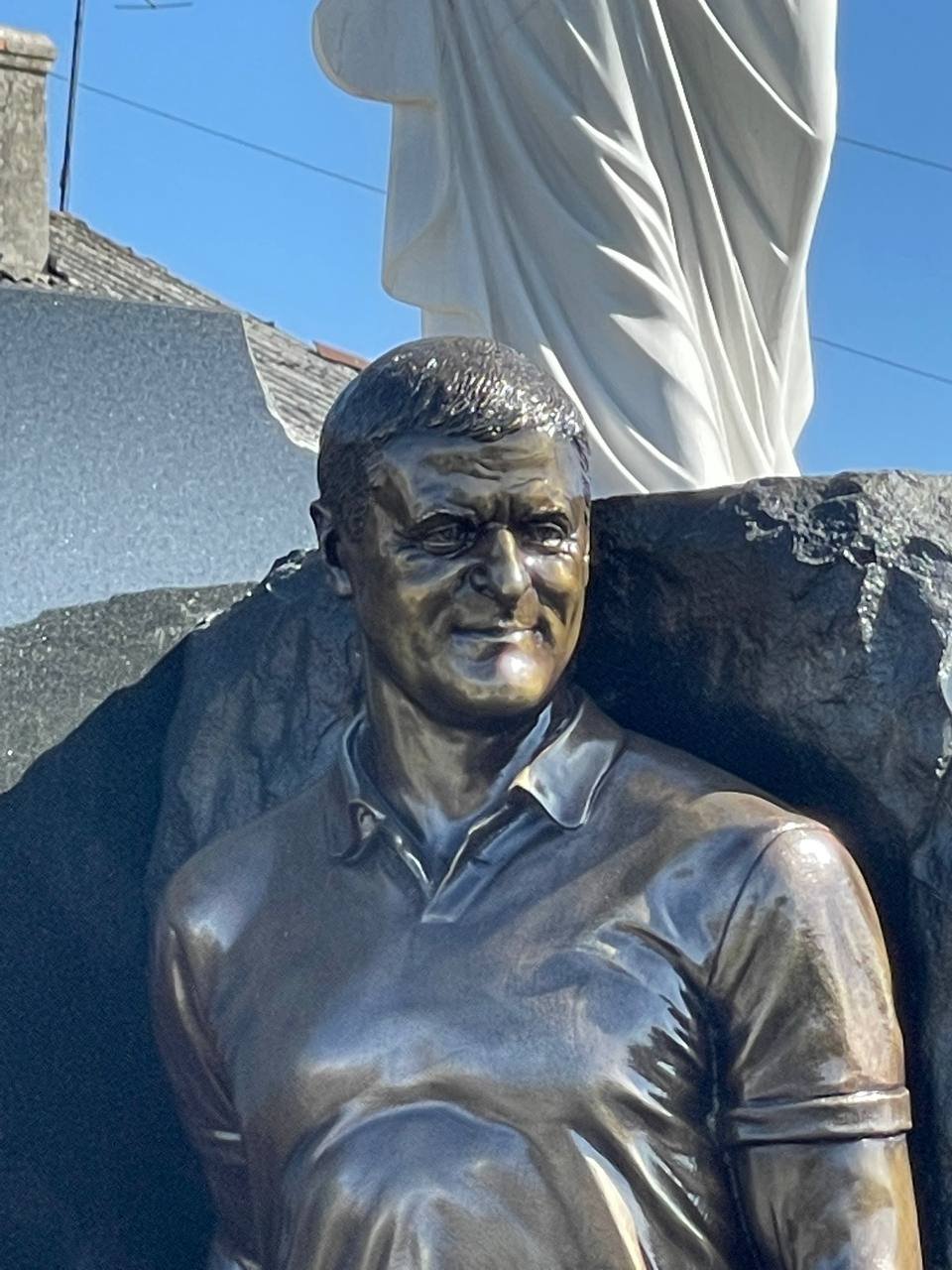
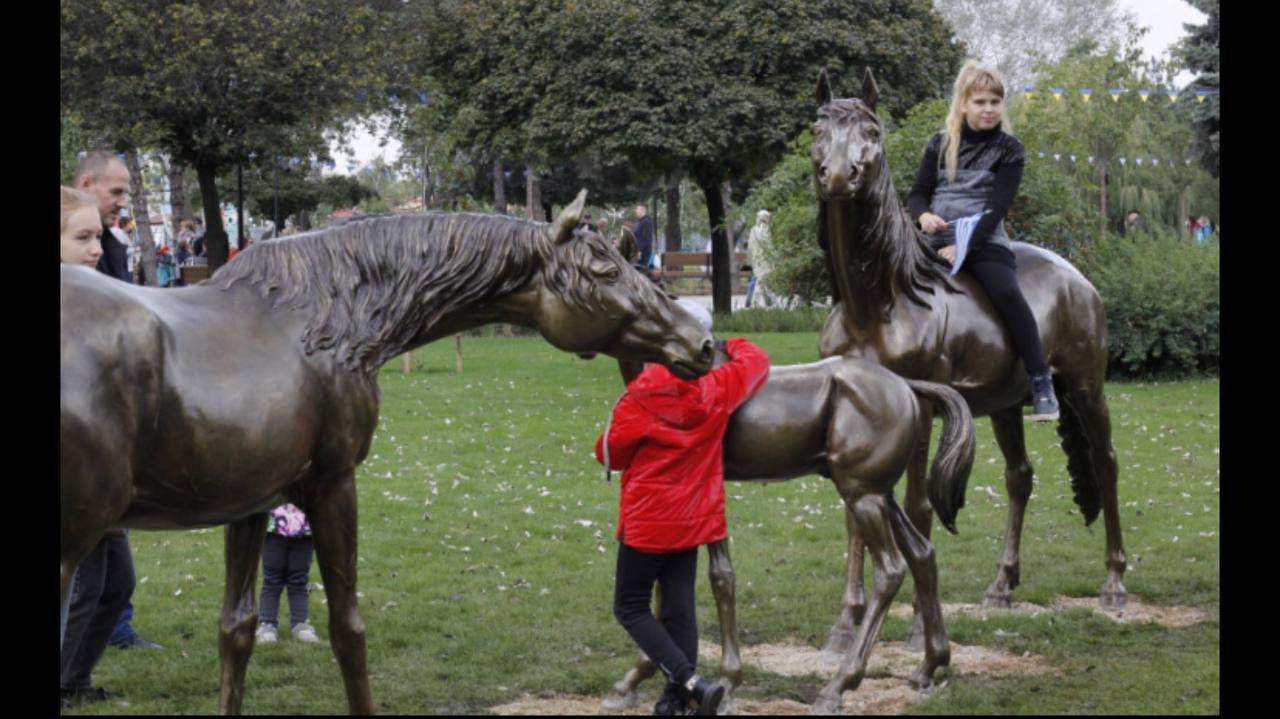
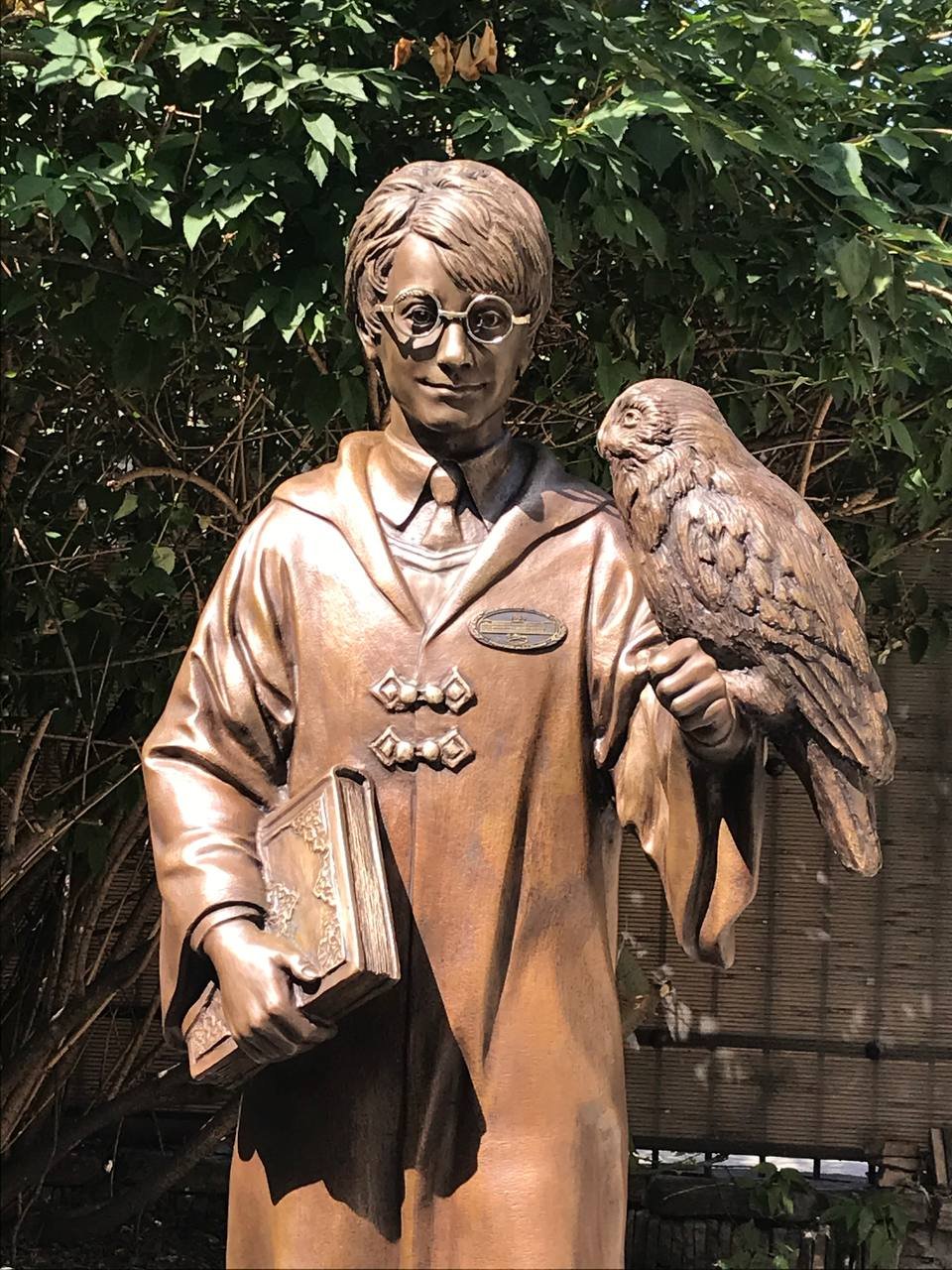
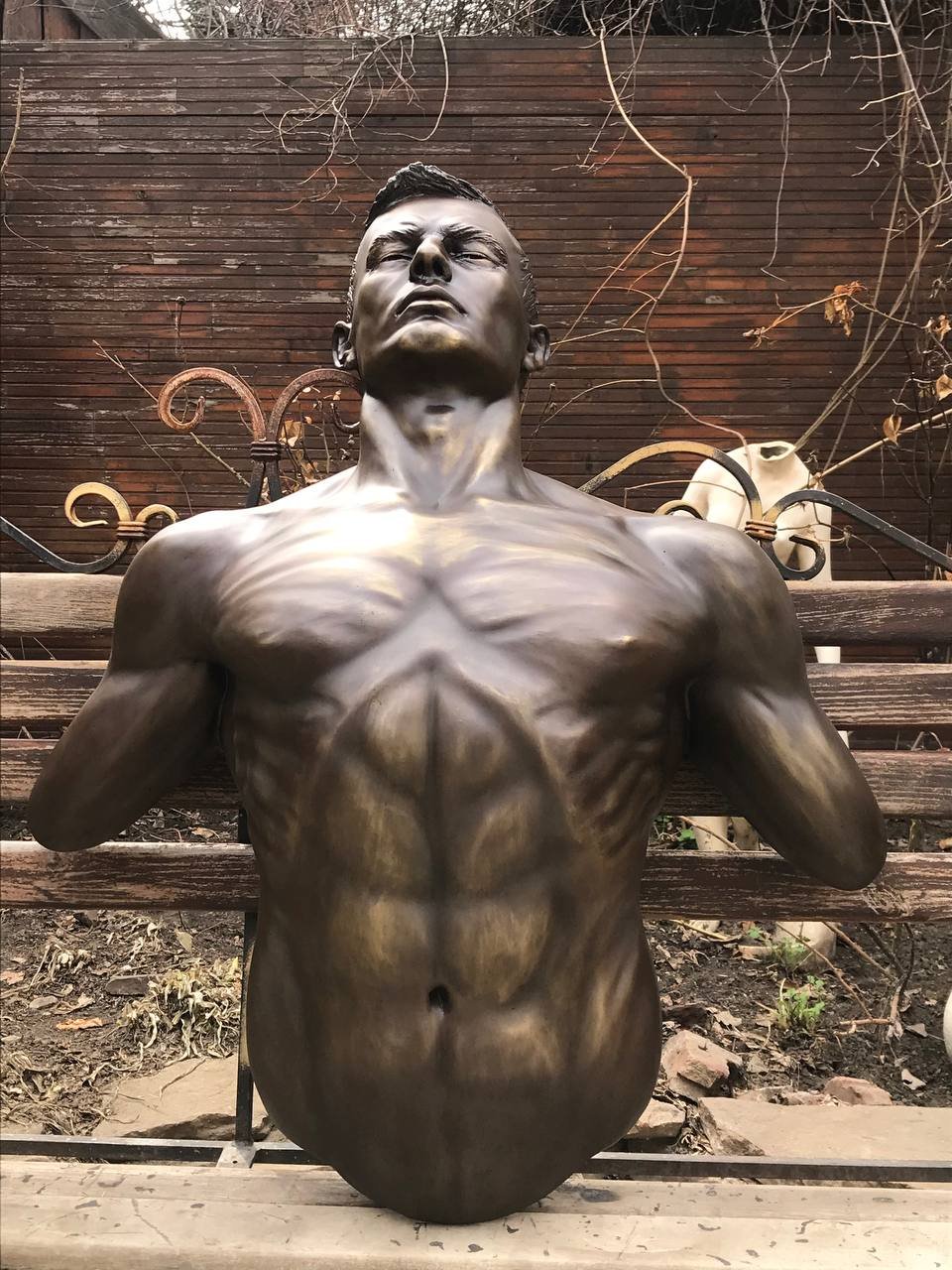
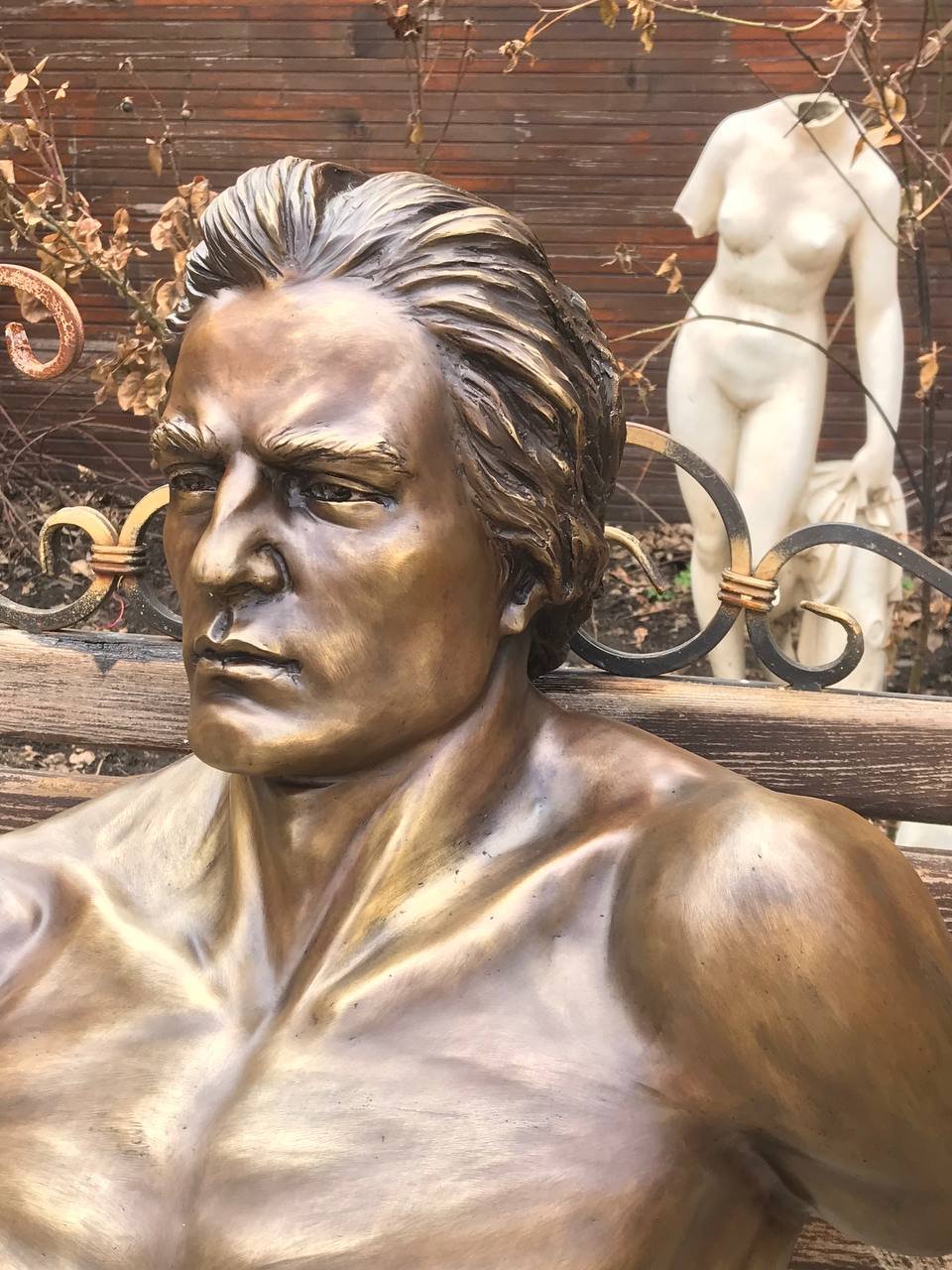
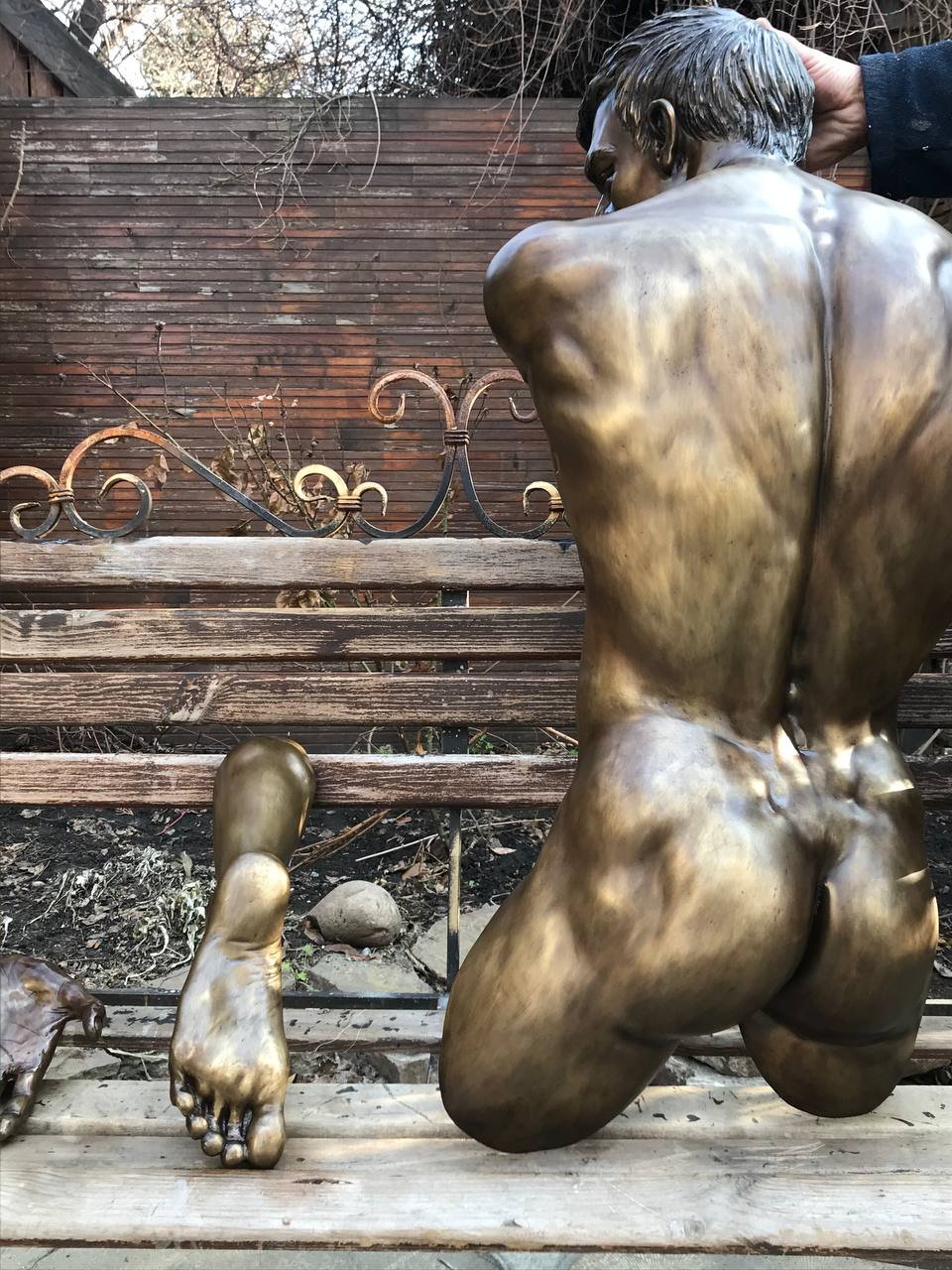
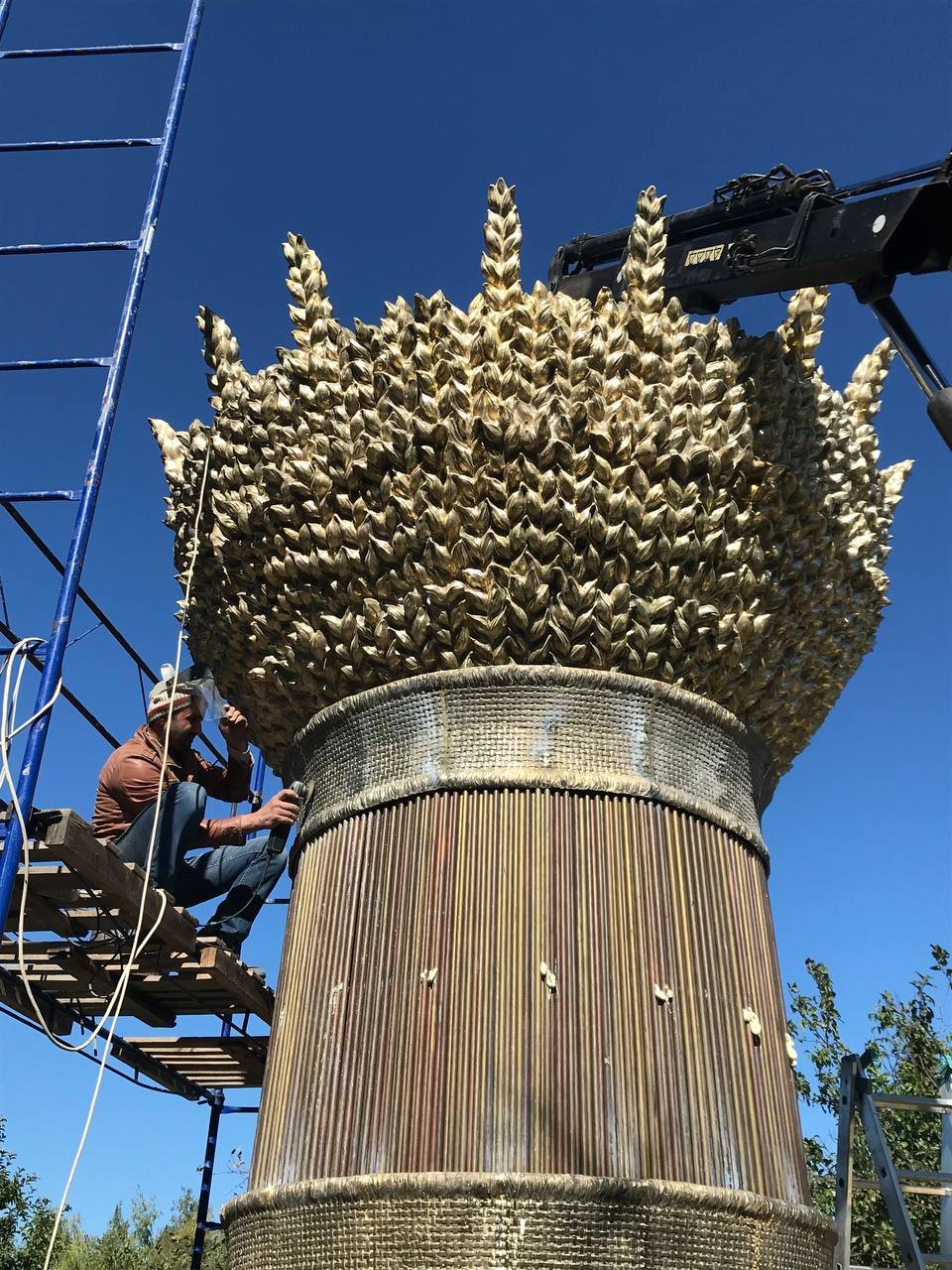
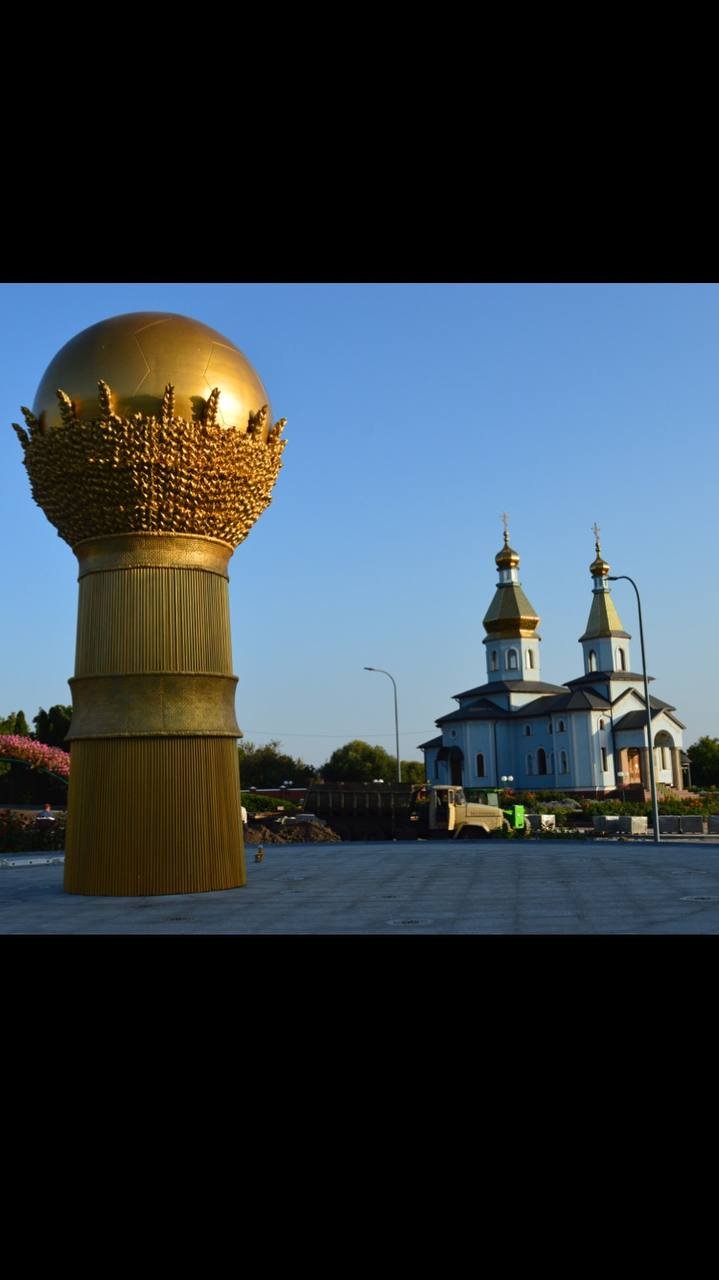
Making metal sculptures.
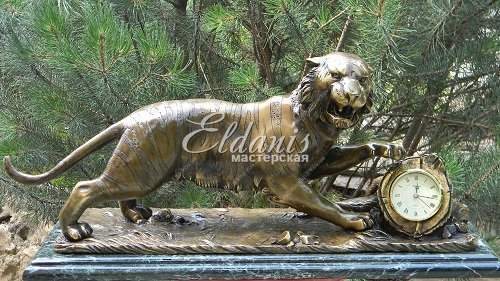
According to the definition of explanatory dictionaries, sculpture is sculpture, one of the oldest art forms. Historians argue that its roots go much deeper than antiquity, at a time when a person had still slightly left the animal, but already felt the need for creation and self-expression.
Long before the advent of statehood and the concept of “society”, religion was born. As an intangible phenomenon, it required incarnation. Not knowing how to compose church hymns, paint icons and frescoes, primitive man created idols, idols of wood and stone, in front of which he could perform ritual actions, appeal to the condescension of the gods.
A tangible development of sculpture falls on the Bronze Age. The first traces of the development of bronze were found in the North Caucasus, and from there the use of bronze spread to Egypt and the countries of the Middle East. Thanks to the discovery of an alloy of copper and tin, bronze sculpture quickly gained popularity.
The sculptors got the opportunity to recreate not only soft, rounded female and male silhouettes, but also more clear, sharp, “drawn” details of the compositions. The most successful is the dynamic sculpture (bronze), the masculine forms of athletes, the figures of animals frozen for a moment. The advantage of a bronze sculpture over a stone sculpture is that it does not need additional reinforcement of individual protruding parts, because the metal is pretty strong. Today, such a product as a decorative fountain, garden sculptures, bronze sculpture is preferred not only by lovers of beauty, but also by those who appreciate quality and functionality.
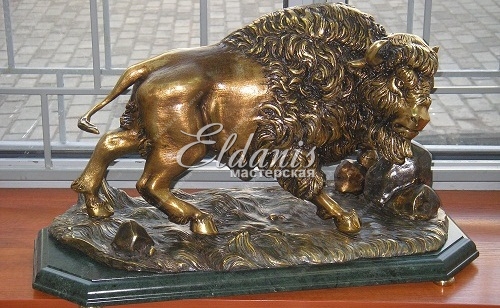
Another qualitative difference that the production of metal sculptures has is their resistance to environmental factors. The alloy is slightly susceptible to corrosion processes, due to which, over time, all that threatens the statue is a change in color. The reason why the sculpture acquires a brownish-green tint over time is that the bronze is covered with a patina, an oxide-carbonate film that forms on its surface. Despite the fact that the main function of such a film is protective, it has acquired an equally important aesthetic value, giving the product a more ancient and antique look. In Soviet times, the repatination method was popular, when a layer of natural temporary patina was removed and a new one was chemically recreated. The metal largely lost its protection, often deteriorated.
Here you can order monuments Malta, Valletta . You can order the production of sculptures from metal, from bronze - you can buy a sculpture from bronze here to order. Various wishes of the customer are fulfilled.